You spend eight hours answering emails, dealing with customers, fixing spreadsheets, sitting through meetings, and waiting for the clock to finally hit five. Then you get home, boot up your PC, and spend the evening running a card shop. Or making pizza. Or renovating a house. Or driving a truck across Europe. Or pressure-washing someone’s filthy backyard.

Good Pizza, Great Pizza via Official Website
At some point, we have to ask: why are gamers voluntarily clocking in for a second shift?
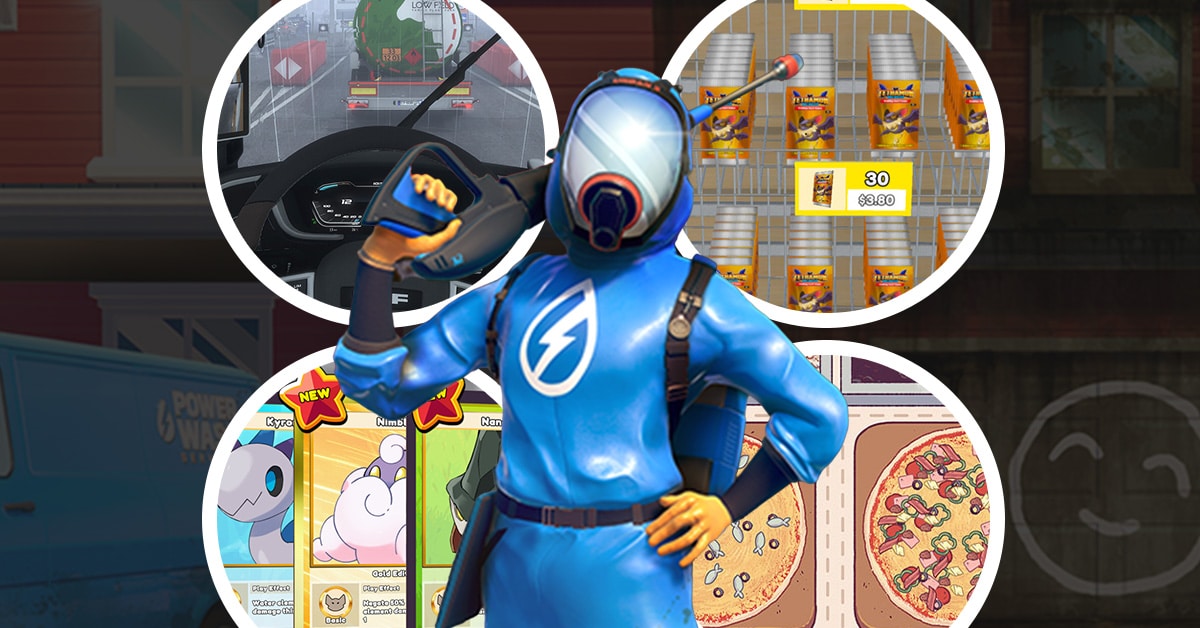
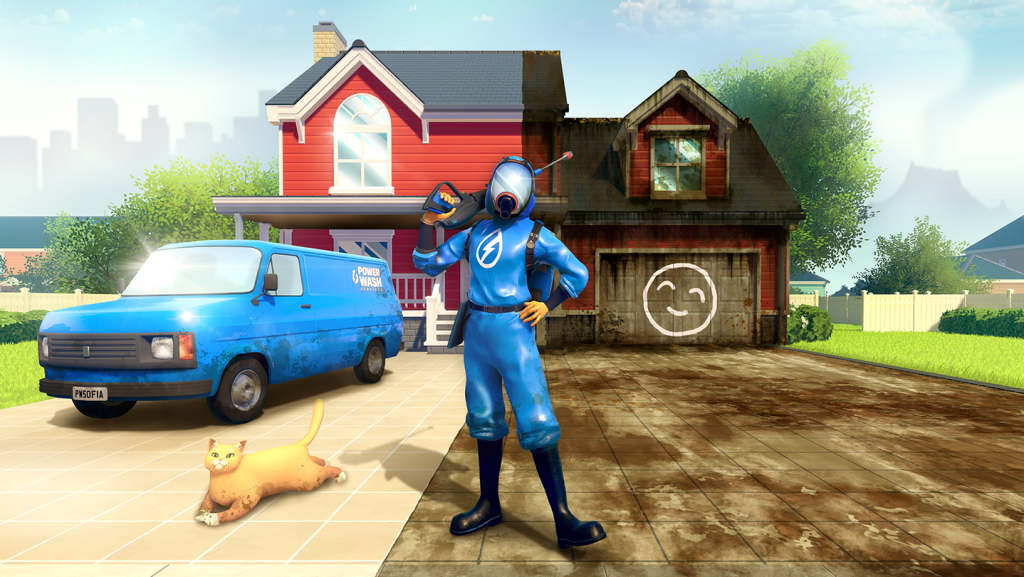
Job simulator games have been around for years, but they seem to be having a moment. Good Pizza, Great Pizza, PowerWash Simulator, House Flipper, Euro Truck Simulator 2, and TCG Card Shop Simulator have all found large audiences despite asking players to spend their leisure time doing things that resemble actual employment.
PowerWash Simulator via Steam
That sounds ridiculous until you look at what these games actually give players.
The Work We Wish We Had
The appeal isn’t necessarily the job itself. It’s what games do to it.
Real work can be exhausting precisely because progress isn’t always visible. You can spend an entire afternoon clearing your inbox only to discover another dozen messages waiting for you. A project can take weeks before anyone notices that you’ve moved it forward. Sometimes you finish the day wondering what, exactly, you accomplished.
TCG Card Shop Simulator via Steam
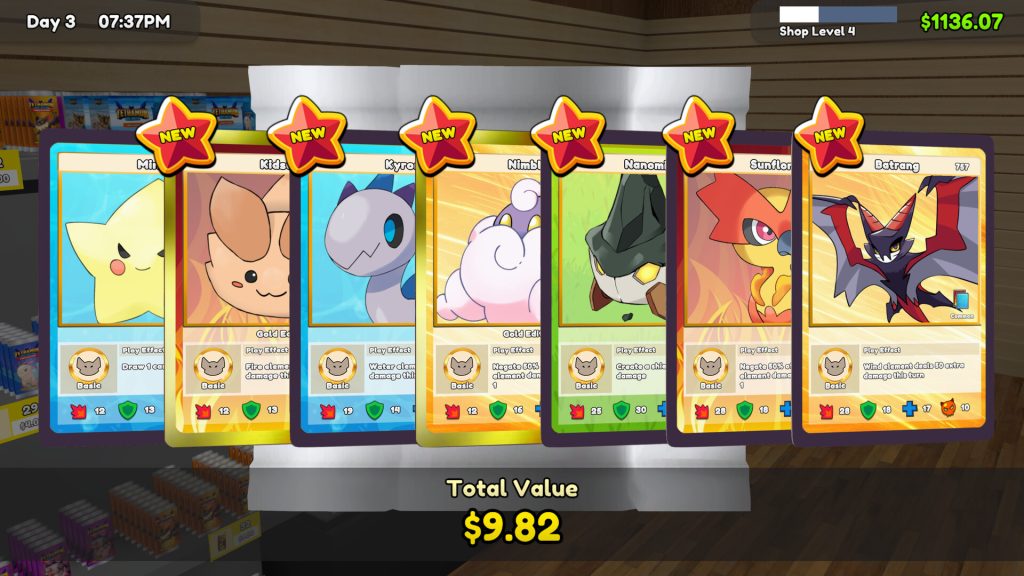
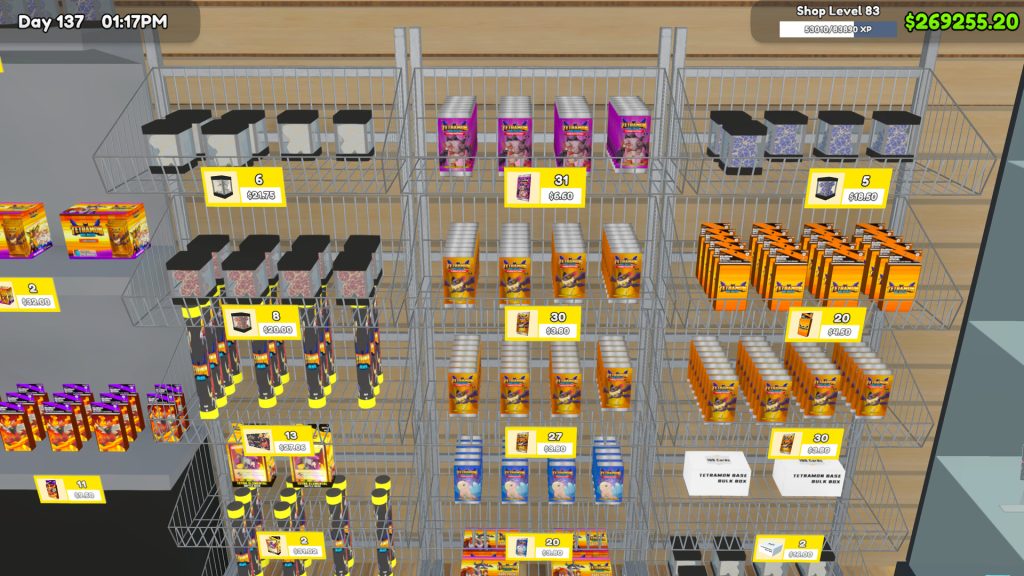
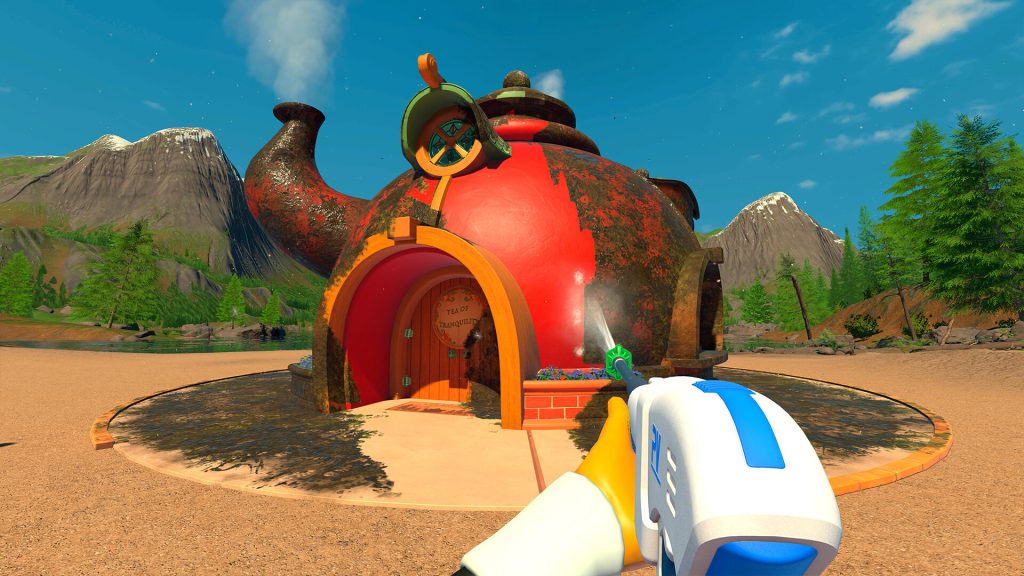
Job simulators remove much of that uncertainty. In PowerWash Simulator, the satisfaction comes from watching grime disappear from a surface. House Flipper lets you turn a wreck into a home and immediately see the result of your effort. In TCG Card Shop Simulator, stocking products, serving customers and reinvesting your earnings steadily transforms a tiny shop into a business of your own.
The loop is simple, but that’s exactly why it works: the game gives your effort a visible destination.
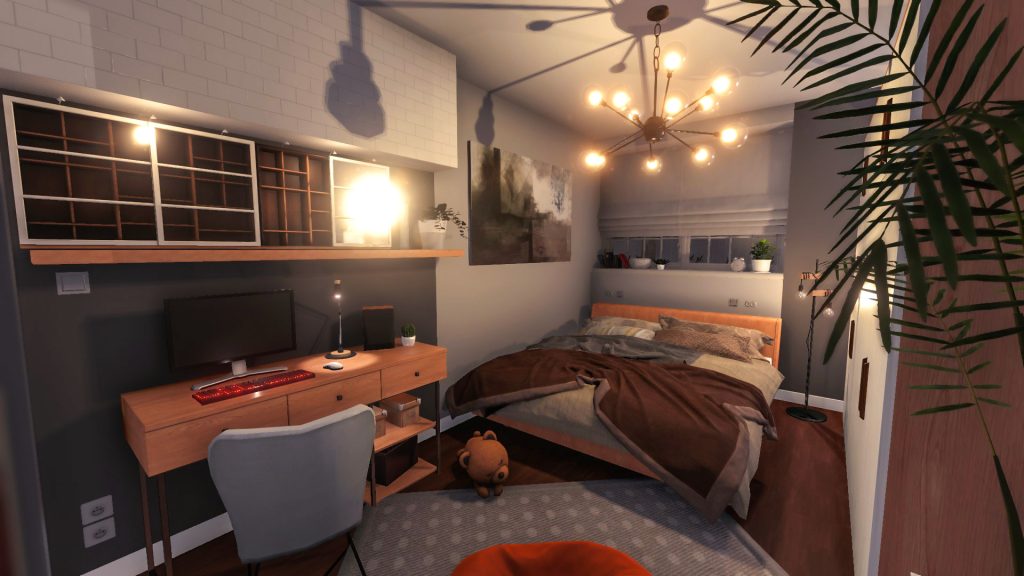
House Flipper via Steam
There is some science behind that feeling. Research has shown that video games engage the brain’s reward system, including evidence of dopamine release during goal-directed gameplay. A separate study found that the brain’s reward circuitry responds more strongly when players are actively engaged in a game than when they merely watch someone else play. (PubMed)
That doesn’t mean “games are good because dopamine,” which is an internet-friendly explanation for a much more complicated system. Dopamine is involved in motivation, reinforcement and reward learning, among other functions. The more useful takeaway is that games are exceptionally good at making effort feel immediately consequential.
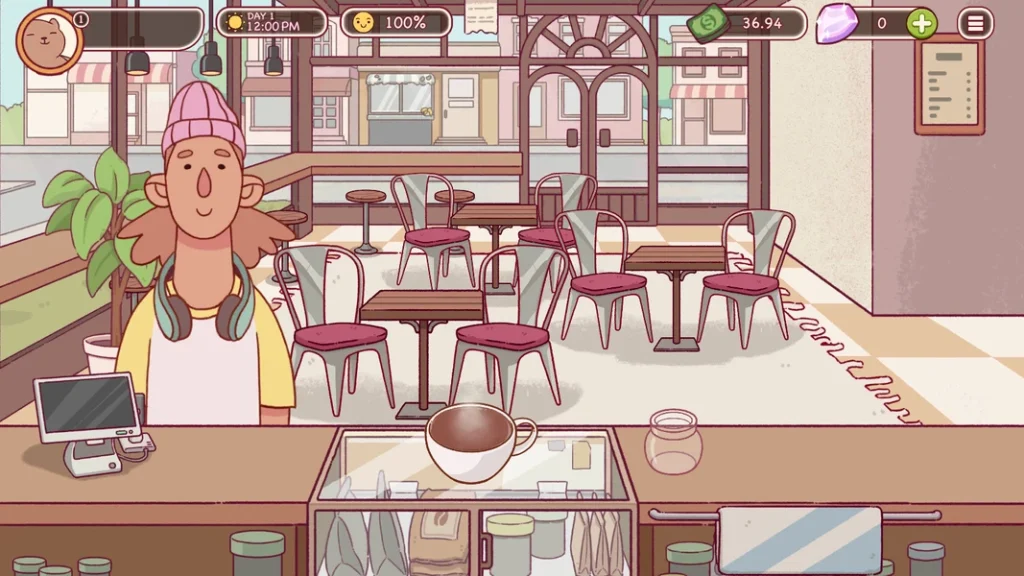
Good Coffee, Great Coffee via Uptodown
You do something. The game responds. You understand what happened. For people coming off a workday where the relationship between effort and reward can be frustratingly unclear, that can be satisfying.
But Surely We Don’t Actually Want More Work
There is an obvious counterargument here: maybe people aren’t playing these games because they secretly dream of employment. They play them because they’re games.
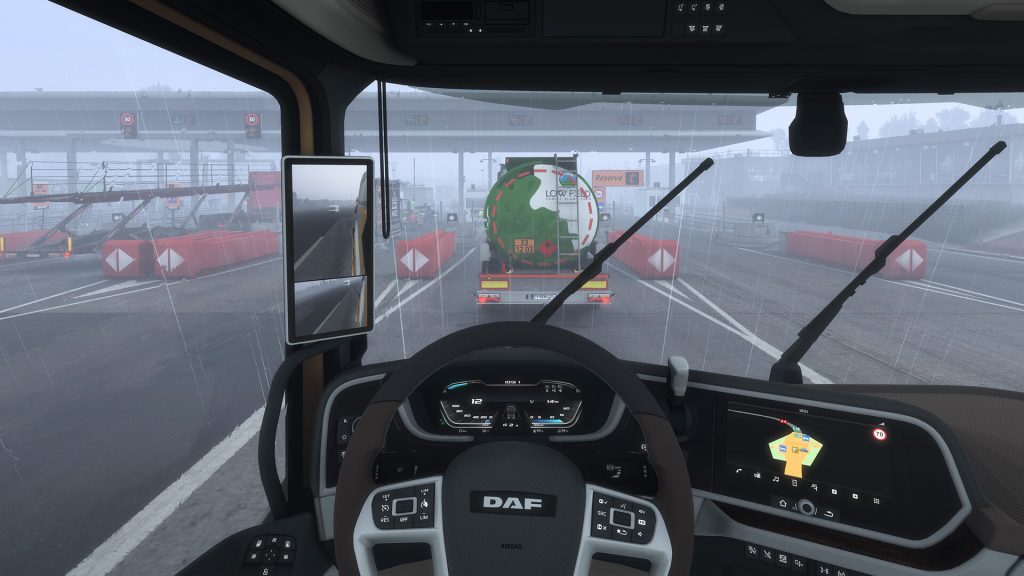
Euro Truck Simulator 2 via Steam
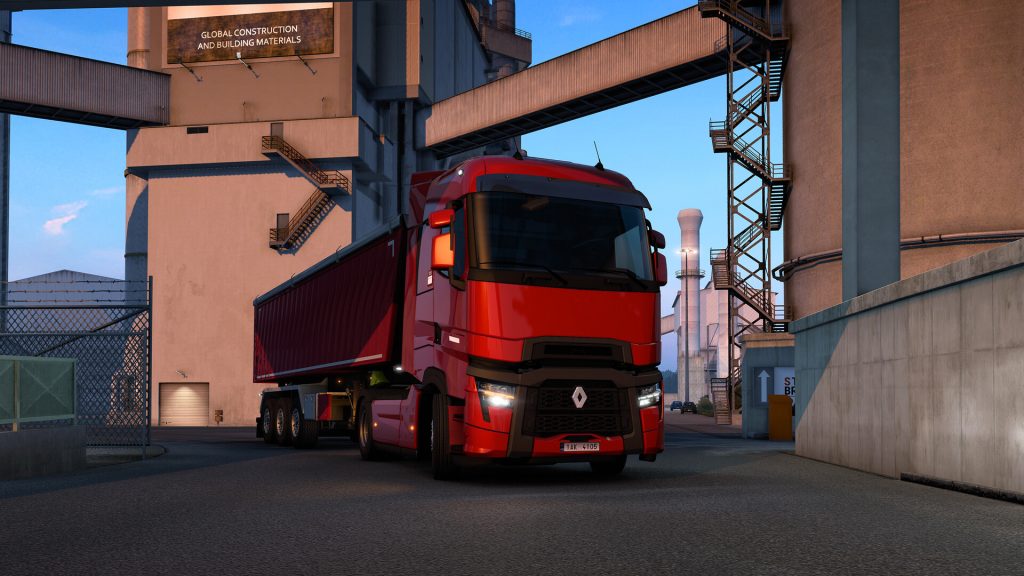
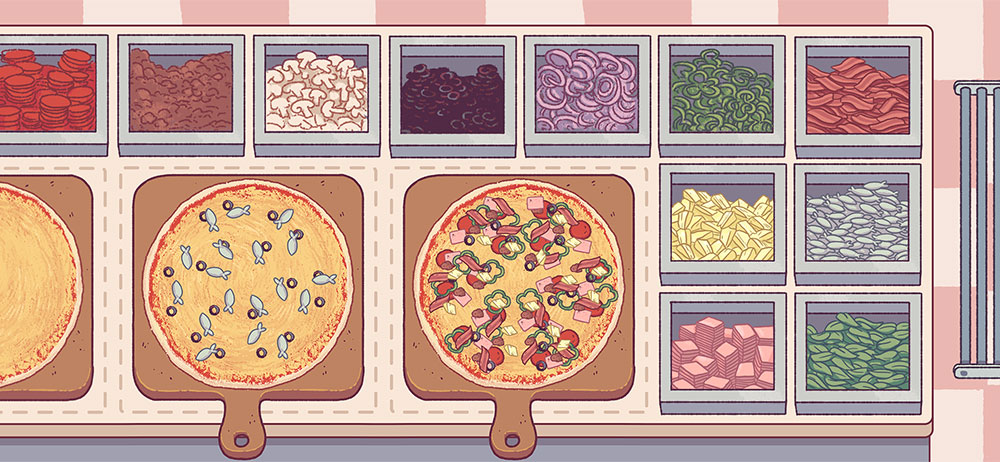
Euro Truck Simulator 2 isn’t popular because millions of people have always wanted to become truck drivers. Good Pizza, Great Pizza doesn’t require anyone to develop a genuine passion for the restaurant industry. The fantasy is less about performing labor and more about taking a mundane activity and removing everything frustrating about it.
You get the satisfying parts without the anxiety.

Euro Truck Simulator 2 via Steam
A virtual truck doesn’t break down because your mechanic hasn’t answered your messages. A customer doesn’t threaten to leave a one-star review because their pizza has one fewer pepperoni than expected. Your fictional shop doesn’t suddenly need to survive a bad quarter because the economy went sideways.
The games give us something real work often doesn’t: control without consequences.
And control matters when you’re trying to recover from a stressful day. Recovery research commonly identifies four experiences that help people recover from work: psychological detachment, relaxation, mastery and control over leisure time. A large meta-analysis covering 54 independent samples and more than 26,000 participants found these recovery experiences to be important factors in the relationship between work and well-being. (Wiley Online Library)
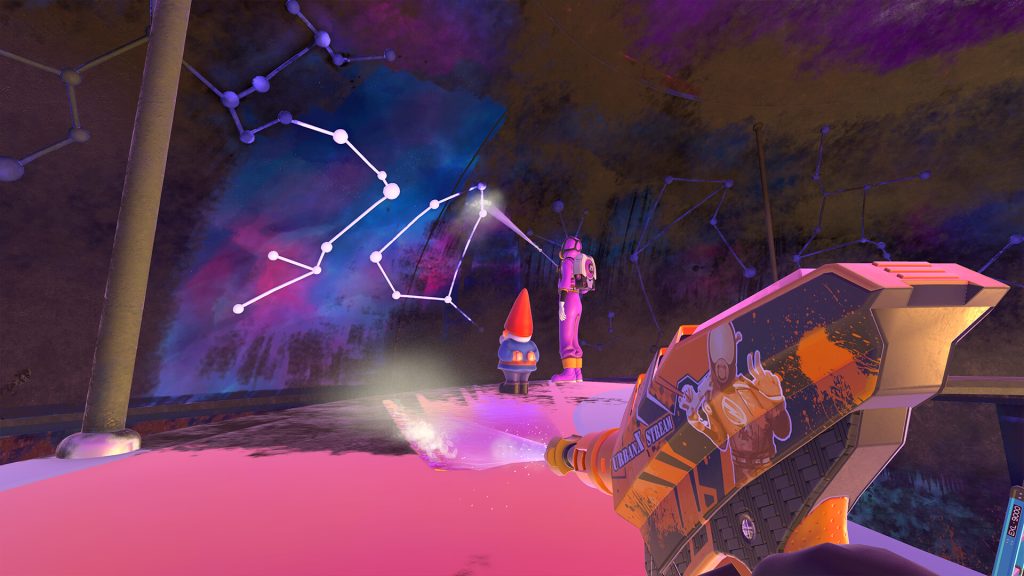
PowerWash Simulator 2 via Steam
Gaming can hit several of those at once.
You can stop thinking about the email your boss sent because you’re busy figuring out where to put the next shelf. You can choose what to do with your evening. You can learn a system and get better at it. For a few hours, the only person deciding what happens next is you.
Maybe We Don’t Need to “Do Nothing” to Rest
This is where the idea of active rest becomes interesting.
We often treat rest as the absence of activity: lie down, scroll through your phone, watch something until you’re too tired to keep your eyes open. But recovery research doesn’t necessarily define rest that way. What matters is whether the activity helps you recover from the demands of the day.
Good Pizza, Great Pizza via Official Website
A 2024 study specifically examining gaming after work followed 65 employees across multiple workdays and found that gaming was associated with both psychological detachment and mastery experiences. The researchers found that mastery—the feeling of learning, improving and accomplishing something outside your job—was particularly important in explaining why players felt more recovered and vigorous the following morning. (DOI)
That distinction is useful because it explains why a game can feel restful despite requiring attention. You’re not lying down doing nothing. You’re doing something completely unrelated to your job, under conditions where you have control, where the difficulty is manageable, and where your effort produces an obvious result. That’s not necessarily the opposite of rest.
PowerWash Simulator 2 via Steam
It can be another form of it.
There is even older research pointing in the same direction: a 2009 study of more than 1,600 participants found that people reported using video and computer games after stressful or exhausting situations and that recovery experiences were a significant part of the gaming experience. (DOI)
That doesn’t mean gaming is automatically restorative, nor does it mean four hours of gaming is inherently better than sleeping, exercising, socializing or simply doing nothing. The same 2024 research found that the type of passion someone has for gaming matters, with harmonious engagement producing better recovery outcomes than obsessive engagement. (DOI)
But it does challenge the idea that sitting down with a game after work is automatically wasted time.
Euro Truck Simulator 2 via Steam
The Strange Comfort of a Routine You Chose
There’s another reason job simulators work so well: routine can be comforting when you are the one choosing it.
Research on routine has repeatedly linked regularity with feelings of safety, confidence and well-being, while a large 2024 meta-analysis found associations between disrupted daily routines and symptoms of depression, anxiety and psychological distress. (PubMed)
Good Pizza, Great Pizza via Official Website
That doesn’t mean everyone needs to spend their evenings following a rigid schedule. It does suggest that predictable activities can provide a useful sense of structure.
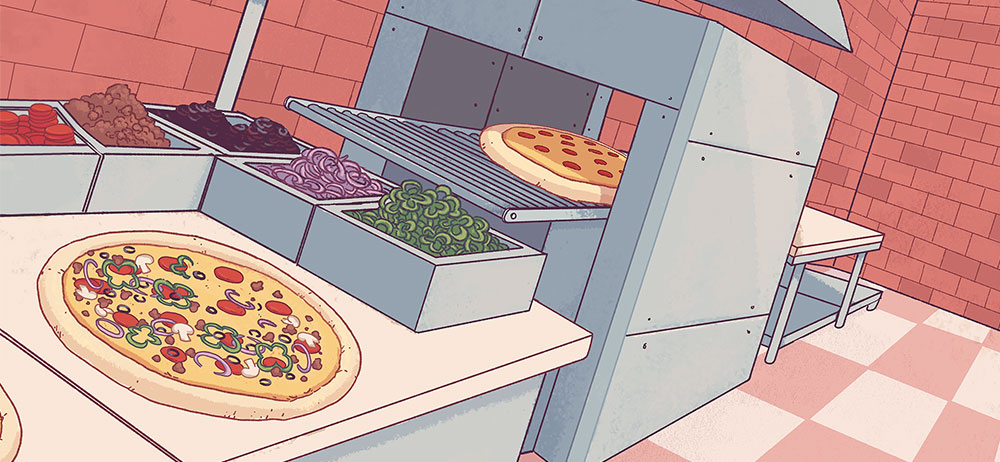
Which is exactly what these games offer. You know what happens when you open Good Pizza, Great Pizza. You start the shop, take the orders, make the pizzas, earn some money and decide what comes next. TCG Card Shop Simulator does the same thing with inventory, customers and expansion. PowerWash Simulator simply gives you a dirty thing and waits patiently for you to make it clean.
There is something deeply reassuring about knowing what the game wants from you.
After a day spent reacting to everyone else’s priorities, you get to choose yours.
Maybe We Just Want to Feel Useful
This might explain why the job simulator trend feels different from simply playing a relaxing game. The fantasy isn’t necessarily “I wish my job were this.” It might be “I wish my effort felt like this.”
A real workday can leave you mentally exhausted without giving you a satisfying sense of completion. A job simulator compresses that entire experience into something legible: effort becomes progress, progress becomes a reward, and the reward gives you another goal. That’s a very different experience from lying in bed scrolling through an endless feed until you’re tired enough to put your phone down.
Doomscrolling can certainly feel restful in the moment, but it doesn’t necessarily give you psychological detachment, mastery or control. A game can. In fact, research specifically comparing post-work recovery experiences has found that mentally engaging leisure activities can sometimes support recovery more effectively than purely passive activities, depending on what the person experiences during that activity. (PubMed Central (PMC))
Maybe that’s why the genre keeps growing. We’re not necessarily escaping work. We’re escaping the parts of work that make us feel powerless.
Good Pizza, Great Pizza via Official Website
And games let us keep the satisfying parts: the routine, the progress, the little dopamine hit when the number goes up, the satisfaction of getting better, and the feeling that something is finally responding to our effort. Which makes the whole thing a little funny.
After work, we play games to escape work. Then we spend four hours working in a virtual card shop because, apparently, that kind of work is fun when you’re the one holding the controller. So what does your after-work shift look like? Are you building a virtual business, driving a truck through the night, cleaning somebody else’s house, making pizzas, or doing something considerably less productive?
We all have our vices after work. Some people scroll until midnight. Some watch three seasons of a show in a weekend. Some spend their evenings arguing with strangers online. And if yours happens to be clocking in for another shift—except this time the work is satisfying, the boss is you, and you can quit whenever you want—who are we to judge?
Maybe, after spending all day working for everyone else, there’s something wonderfully indulgent about finally doing a little work just for yourself.
Read More PGDX 2026 Content Here:
- PGDX 2026 Launches Official Steam Curator Sale
- PGDX 2026 Celebrates Cosplay Community
- Experience the Best of Gaming at PGDX 2026
- PGDX Launches HATCH for Filipino Game Developers
Read More Think Pieces Here:

![[CURATED:46d4cef8b1bd9fa16c99866c]](/site/assets/files/1909/46d4cef8b1bd9fa16c99866c28dea0a9c9742f963dbbf49e2c6af7723f6254fe.jpg)