
A Wild Phenomenon Appears!
When Pokémon GO launched in the Philippines on August 6, 2016, it was more than just another mobile game. It became a nationwide phenomenon.
The excitement was so overwhelming that less than a month after its release, the Philippine Civil Service Commission reminded government employees to refrain from playing Pokémon GO during office hours because of its impact on workplace productivity. It was one of the clearest signs of just how quickly the game had captured the country’s attention.
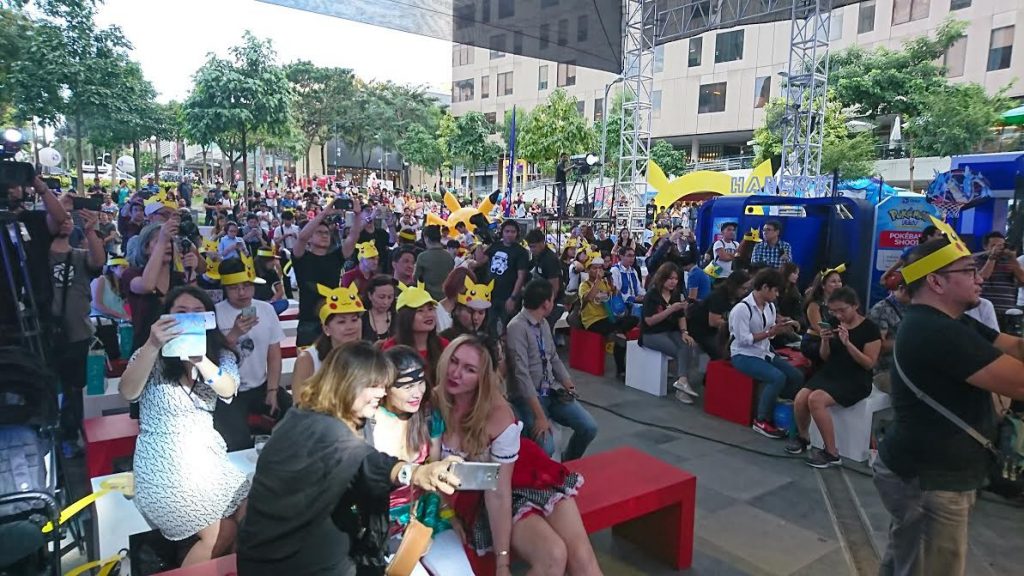 Pokémon GO players gather during Pokémon Fest in the Philippines in 2016. (Photo: Niantic)
Gotta Catch ‘Em All, Pinoy Style!
For many Filipinos, the appeal was easy to understand.
Pokémon was already part of our childhood. Honestly, a big part of why I played was nostalgia. I grew up wanting to be the very best, like no one ever was. Memorizing the Pokédex and imagining what it would be like if Pokémon existed in the real world suddenly didn’t feel so impossible once Pokémon GO came out
.
Even today, there’s still something oddly magical about spotting a Pikachu wearing a cool hat while you’re out running errands, or finding a Sandshrew just chilling by a tree during a walk. They’re just virtual creatures, but they have a way of making ordinary places feel a little more exciting.
The game is easy to get into. You don’t need an expensive gaming PC or console, just a smartphone with GPS, a camera, and a willingness to explore. Walk a little farther, discover a new PokéStop, hatch another Egg, and maybe catch a Pokémon you’ve been searching for. Exercise suddenly comes with rewards.
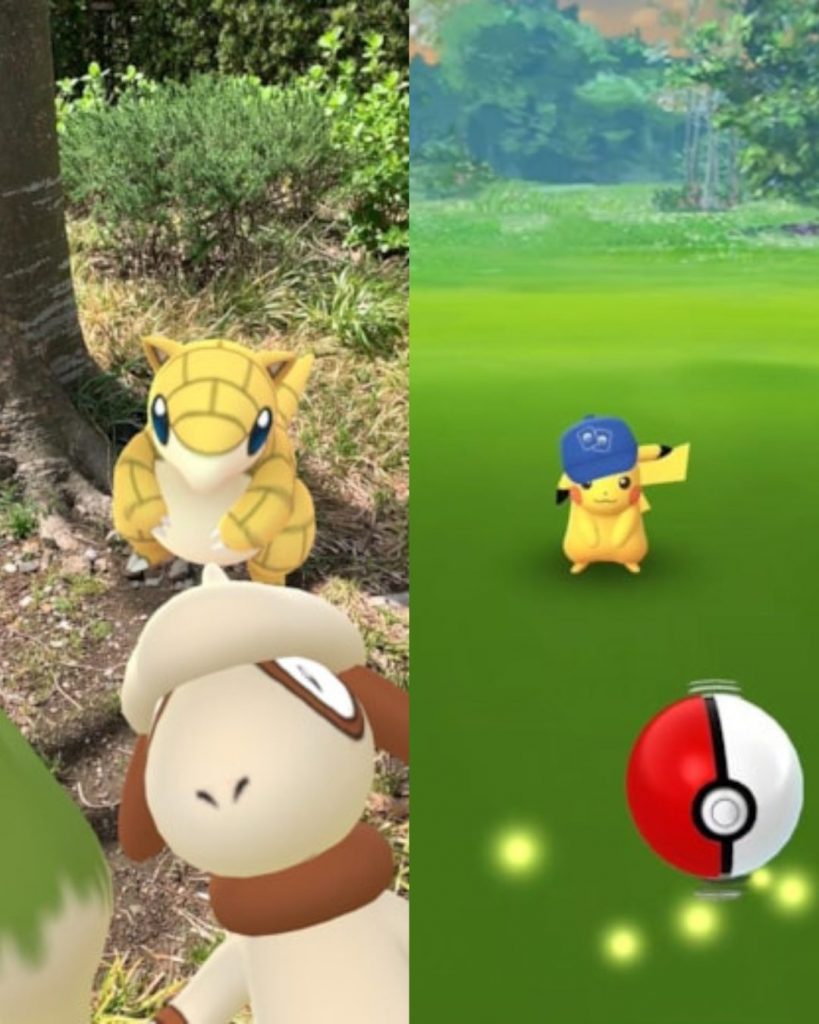 Gameplay screenshots from official Pokémon GO media assets. (Photo: Pokémon GO Games Press)
Bonus: Peak Filipino Trainer Energy
Of course, no article about Pokémon GO in the Philippines would be complete without mentioning one of the game’s most unexpected traditions: giving Pokémon hilariously Filipino nicknames.
Whether it was naming a Seel “Dyesebel,” a Pidgeot “Mulawin,” or a Staryu “Star ng Pasko,” Filipino Trainers somehow found a way to inject local pop culture into every Pokédex.
It wasn’t part of the game, but it became part of the experience. And honestly, it was one of the many little things that made playing Pokémon GO in the Philippines feel uniquely our own.
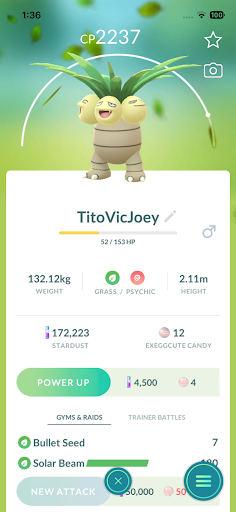 Source: Yapi, Social Media and Community Manager of Gaming Pinas
The Friends We Made Along the Way? It’s Super Effective!
But almost ten years later, I don’t think any of those are Pokémon GO’s greatest achievement.
It’s the people.
Filipinos have always valued kapwa—the idea that we are connected to one another and that shared experiences matter. Looking back, Pokémon GO unintentionally became one of the best digital expressions of that value.
Yes, you can play Pokémon GO alone.
But it feels different when you’re standing beside strangers who are all counting down to the same raid. When everyone cheers because the last Premier Ball finally catches the boss. When you take over a Gym together, only to see your teammates fill it with their own Pokémon minutes later. When someone you’ve never met drops a Lure Module at a nearby PokéStop, and you silently benefit from their generosity. When your friends list shows a Pokémon someone caught halfway across the world, reminding you that they’re still playing too.
They’re small interactions.
Yet together, they create a sense of belonging that few mobile games manage to achieve.
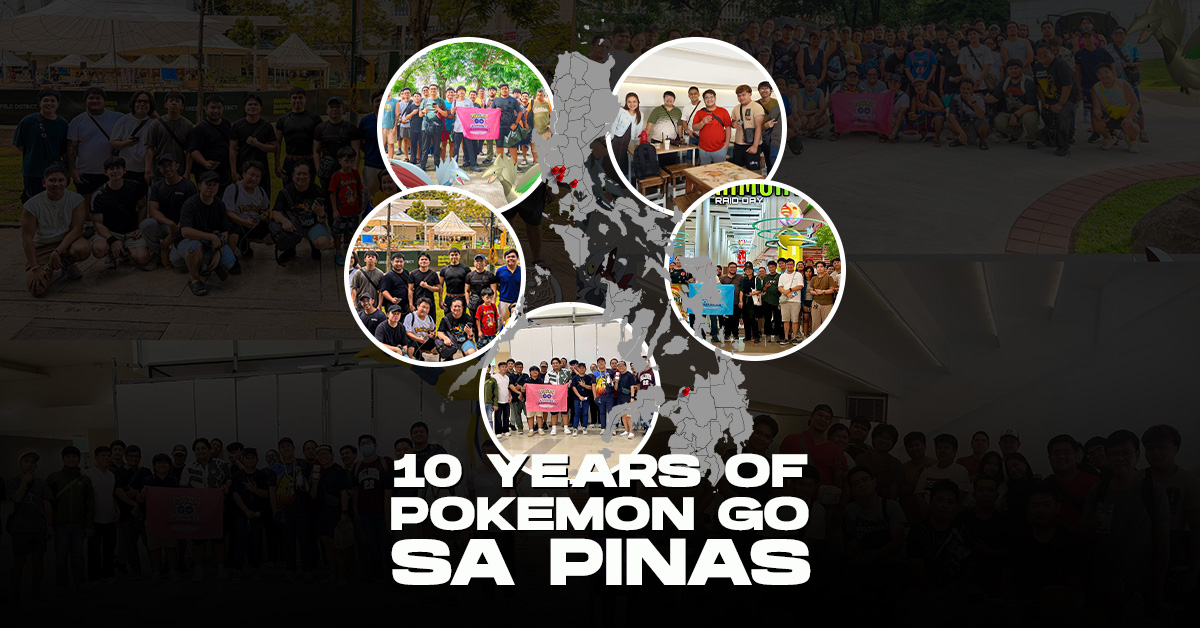
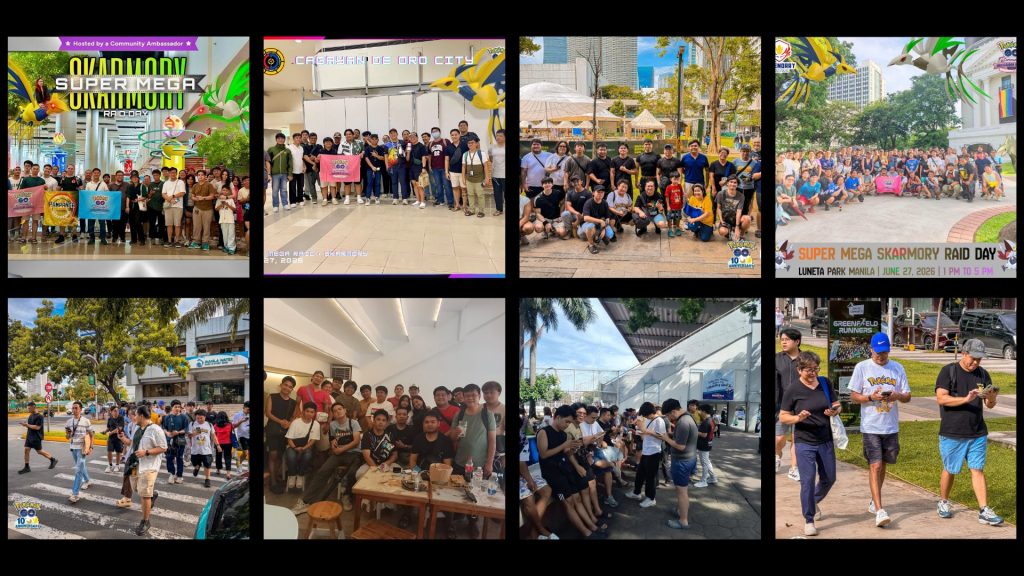 Photos courtesy of Pokémon GO: Legendary Questors PH, Pokémon GO Marikina (Shoetown Raiders), Pokémon GO Mandaluyong, Pampanga Pokémon GO Trainers, and Pokémon GO Cagayan de Oro. Used with permission.
Remote Raids, Real Connections
That sense of community became even more important during the COVID-19 pandemic. As people stayed home, Pokémon GO introduced Remote Raid Passes, allowing Trainers to join raids with friends from anywhere in the world. The developers also launched initiatives like the Local Business Recovery Initiative, which turned selected small businesses into in-game PokéStops and Gyms to encourage players to visit and support local establishments once it became safe to do so.
Even as the game adapted to changing times, its core remained the same: bringing people together.
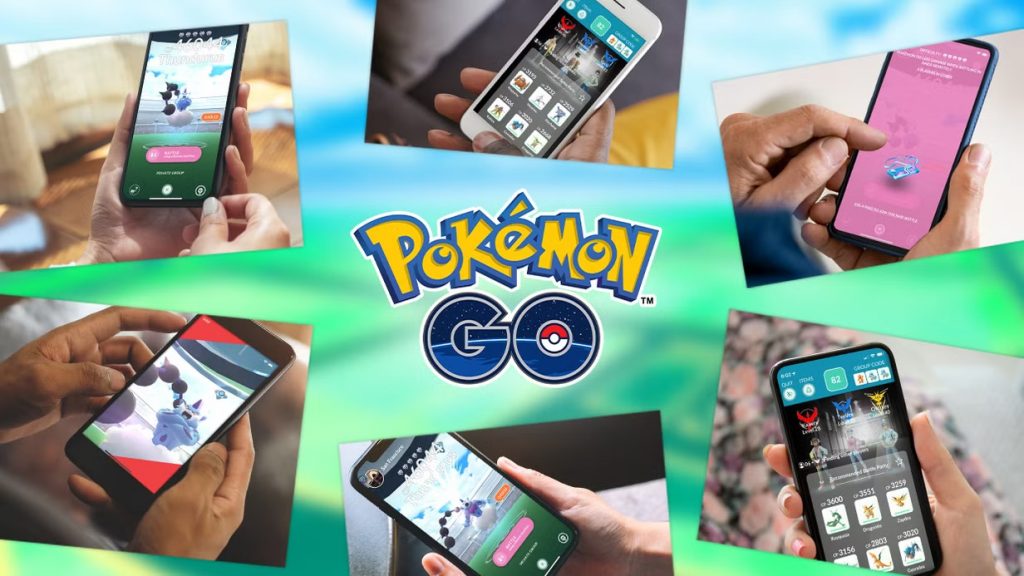 Remote Raid Passes helped Trainers stay connected during the COVID-19 pandemic, allowing friends to battle together from anywhere. Images courtesy of Niantic / Pokémon GO.
The Journey Continues
Today, communities continue to organize Raid Days, Community Days, and meetups across the Philippines! From Luneta in Manila to Greenfield in Mandaluyong, from Pampanga to Cagayan de Oro and countless other cities. Many of these groups welcome complete beginners just as warmly as longtime Trainers.
That’s perhaps Pokémon GO’s biggest legacy.
Not the Pokédex you’ve completed.
Not the shiny or “hundo” Pokémon you’ve collected.
Not even the Legendary raids you’ve won.
It’s the realization that a game designed around walking outside could create friendships, traditions, and communities that have lasted for nearly a decade.
Almost 10 years later, Pokémon GO is still bringing Filipinos together. One PokéStop, one Raid Day, and one friendship at a time.
And maybe that’s what being a Pokémon Trainer was always about.
Want to find a local Pokémon GO community? Check out our Community Spotlight featuring groups from Manila, Marikina, Mandaluyong, Pampanga, and Cagayan de Oro.