

Introduction: Every Object Has a Story
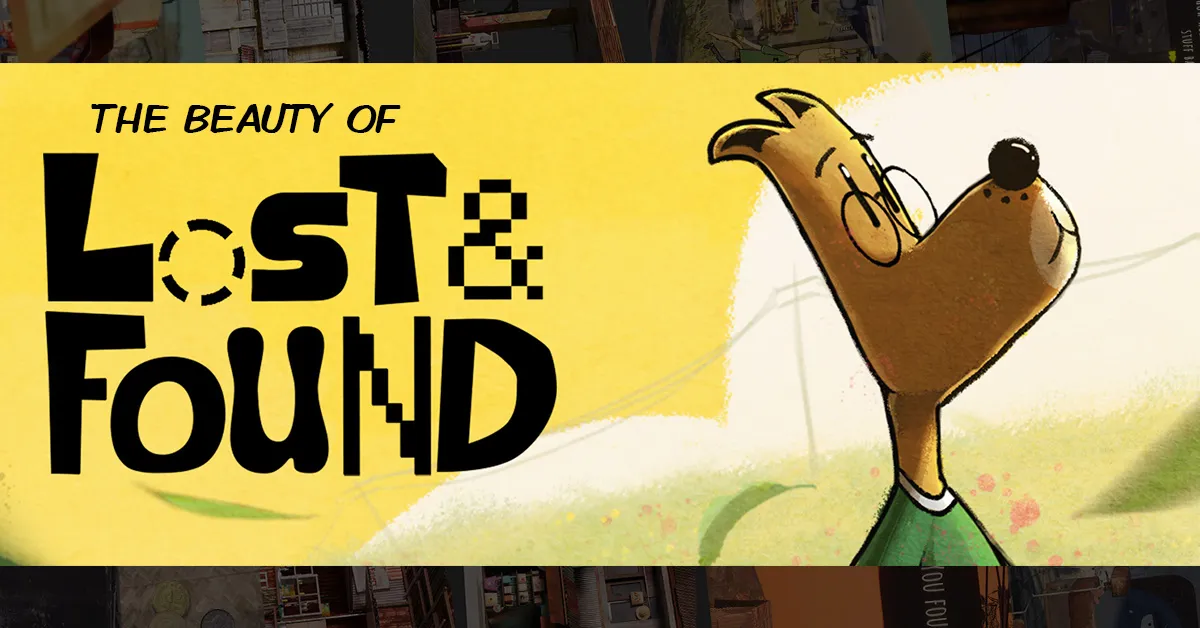
Every object has a story. That idea sits at the center of Lost & Found, a narrative-driven indie game from Filipino solo developer Kurt Reodica.
In the game, you play as Rico, a struggling artist who takes a job at a local lost-and-found office. The work sounds simple—receive items, find their owners, return them—but the experience quickly becomes something more reflective. Each object opens up a small window into someone’s life, turning routine tasks into moments of discovery.
Gameplay and Core Idea
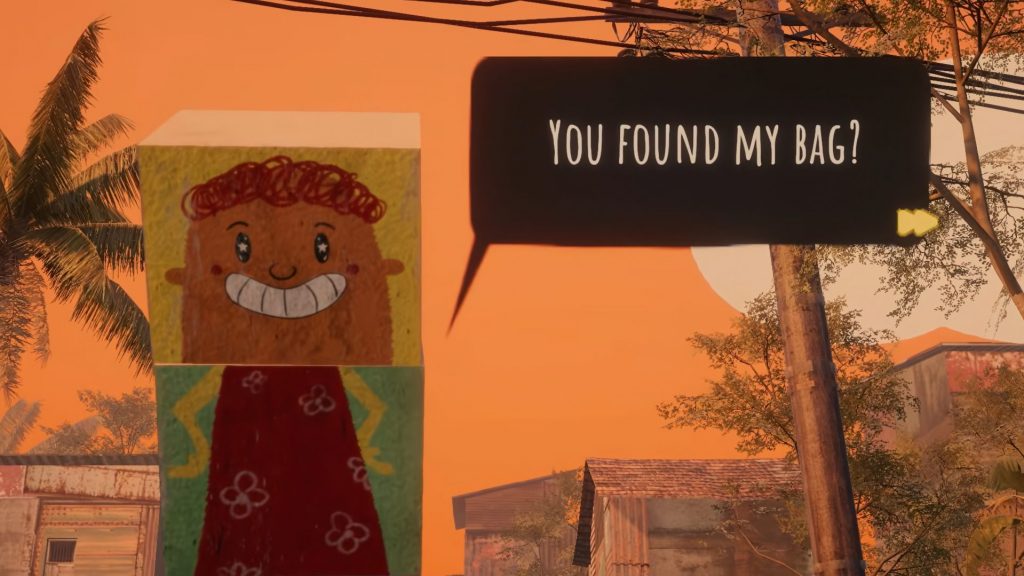
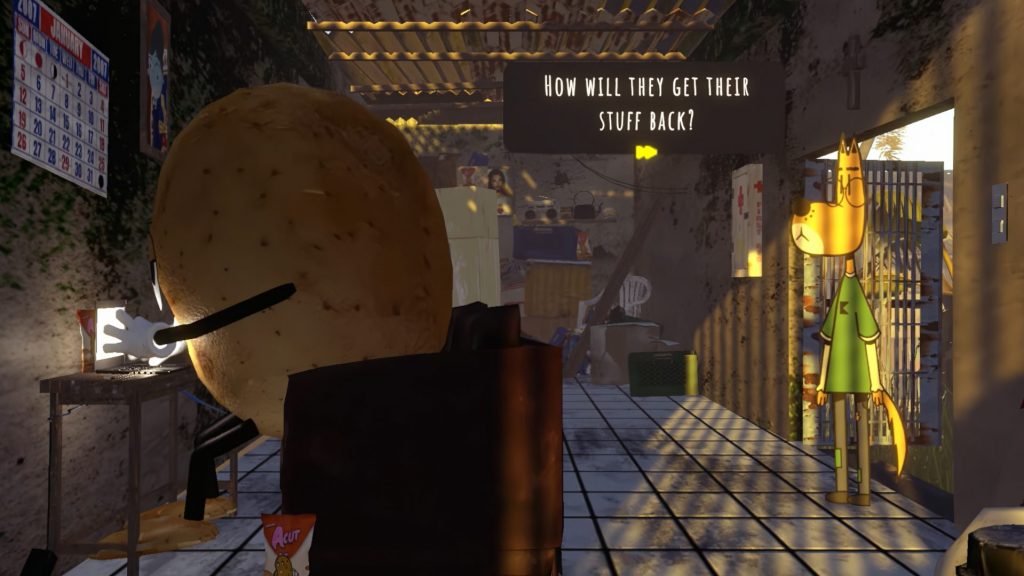
From the start, Lost & Found leans into a slower, more thoughtful pace. You’re not rushing through objectives. Instead, you’re observing, listening, and piecing things together. Deciding who an item belongs to becomes part deduction, part empathy.
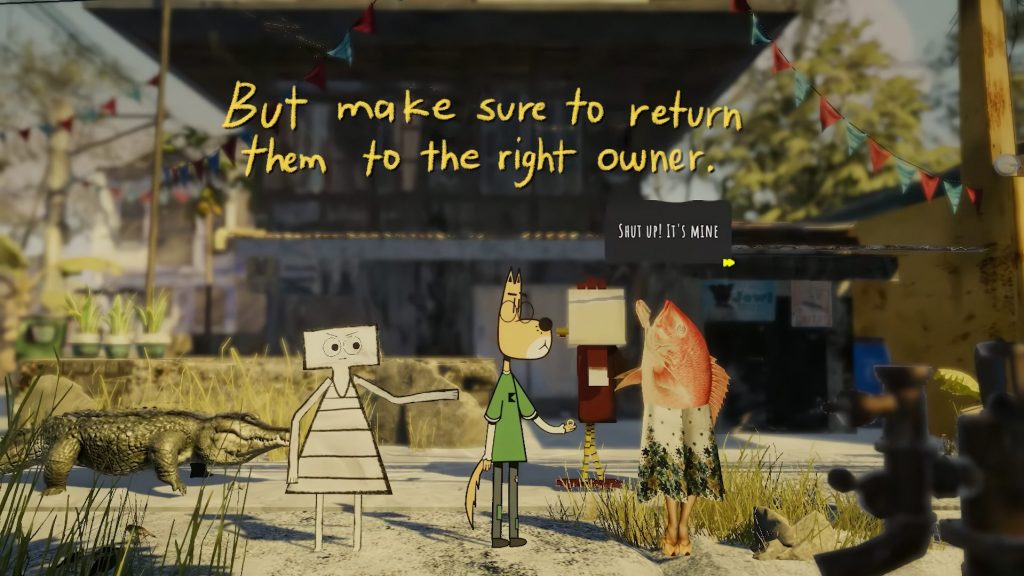
And sometimes, you can get it wrong. Returning an item to the wrong person doesn’t just end the interaction—it changes how the story unfolds and how characters respond to you moving forward. The choices you make shape how each story plays out.
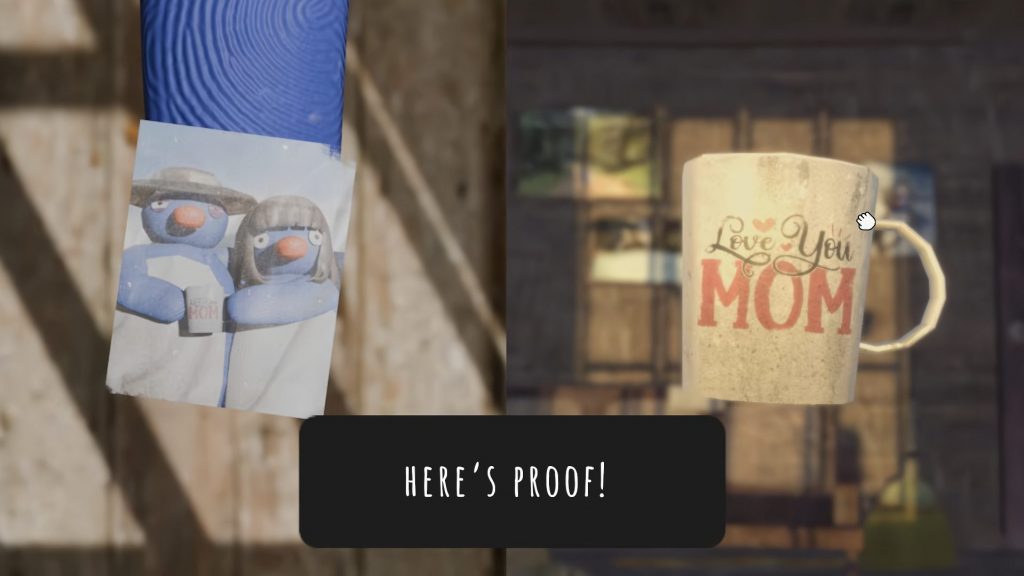
Story and Inspiration
Rico’s story unfolds through the people he meets, each connected to something they’ve lost. That idea came from a real-life story Kurt saw about a wallet being returned after decades—something simple, but filled with memories.
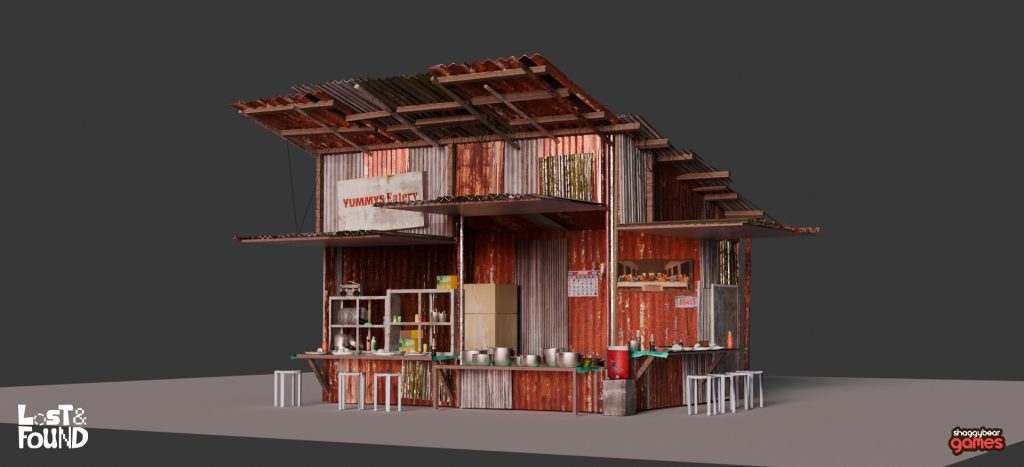
You can feel that direction even in the artbook.
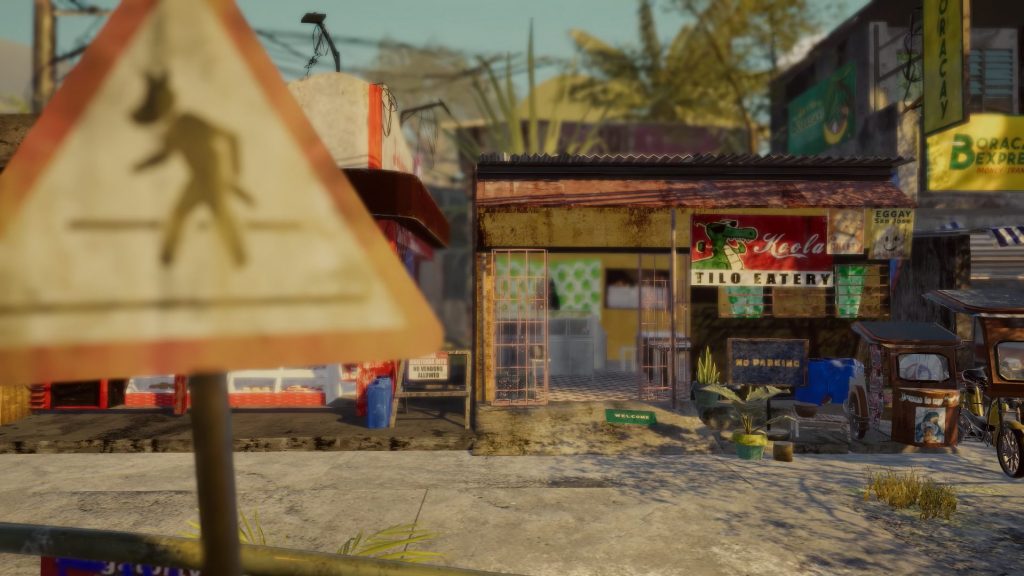
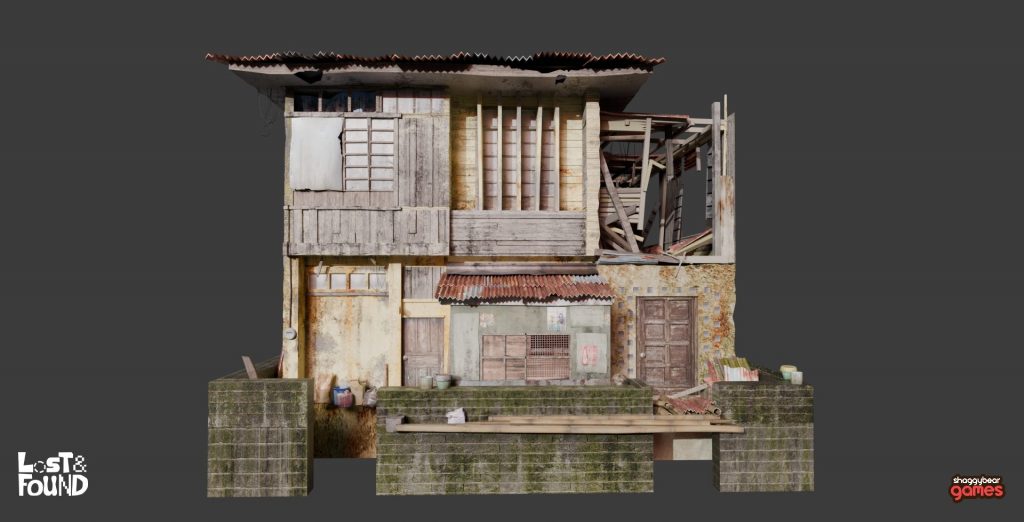
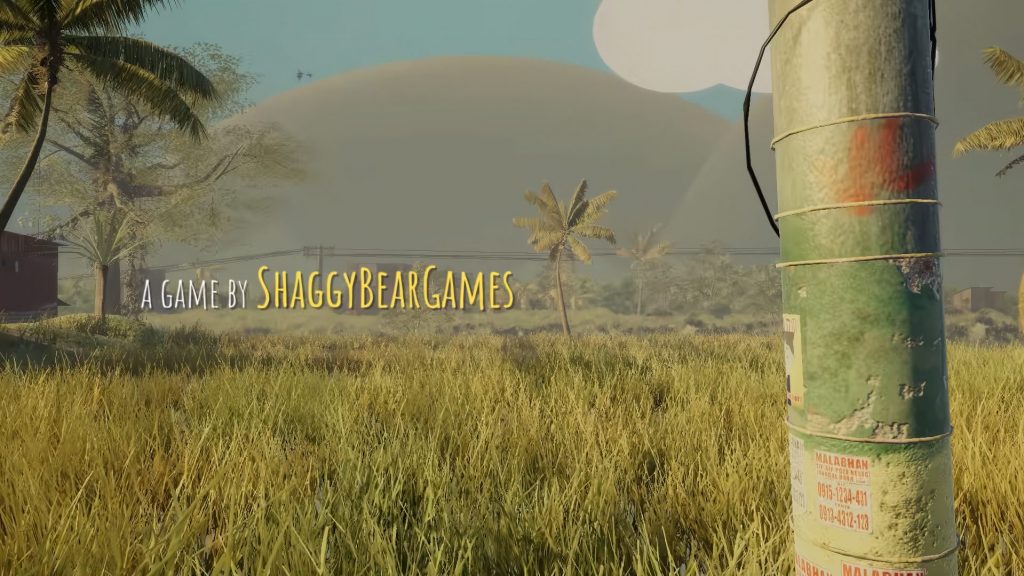
Early sketches and notes show how much care went into shaping Lost and Found’s world, with a strong focus on people first before anything else. Each character is built around their situation—what they lost, and how it affects them. Even before seeing them fully realized in-game, you already get a clear sense of who they are through the environments they inhabit. The game’s artstyle leans heavily into this idea, with every sari-sari store, gas station, and worn-down home telling its own quiet story through detail alone.
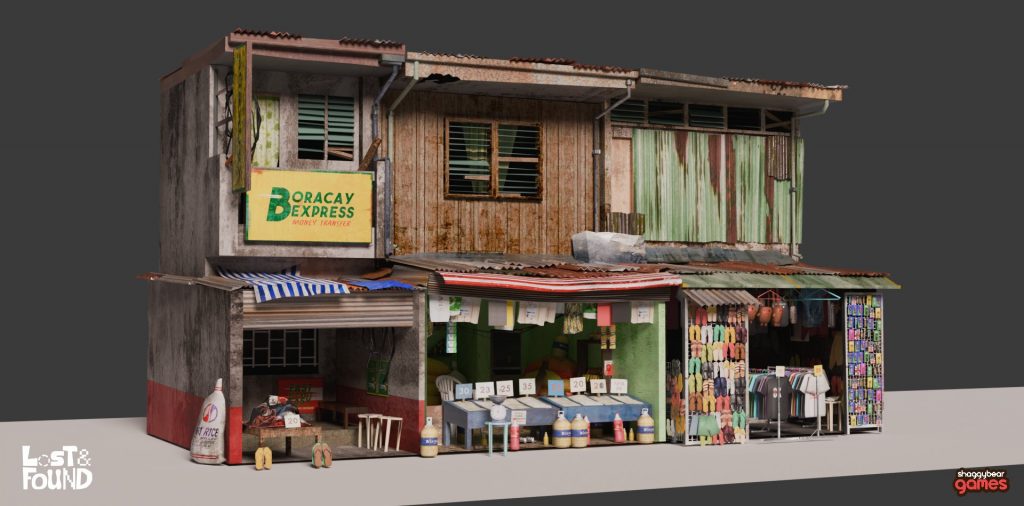
As you return items, those small stories begin to connect. Relationships shift depending on your choices, and the town itself subtly reflects those outcomes. Nothing feels rushed—the storytelling takes its time, letting moments sit the way real conversations and experiences do. It’s this combination of grounded writing and
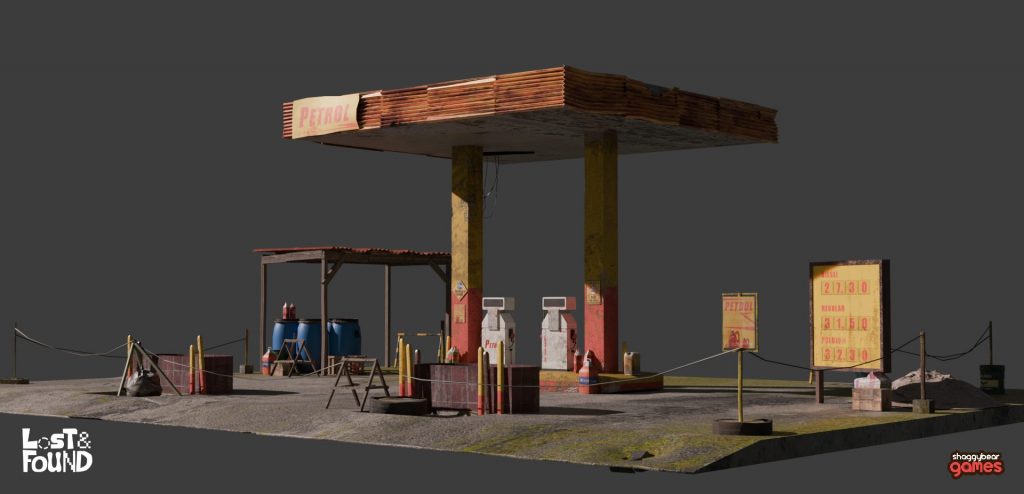
Art Style and World
The mixed-media style becomes easier to understand when you look at the artbook . You can see how the visuals were built step by step, starting from rough sketches and gradually becoming more defined.
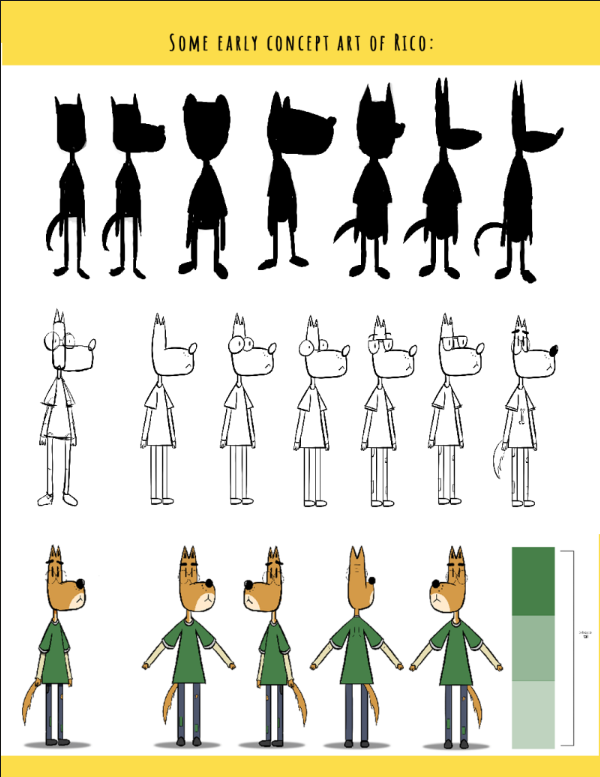
Rico’s design stands out here. Early versions are simple, focusing on shape and silhouette. As the design develops, small details are added that make him feel more grounded and familiar. It’s the kind of detail you might not notice immediately, but it adds to how you read the character.
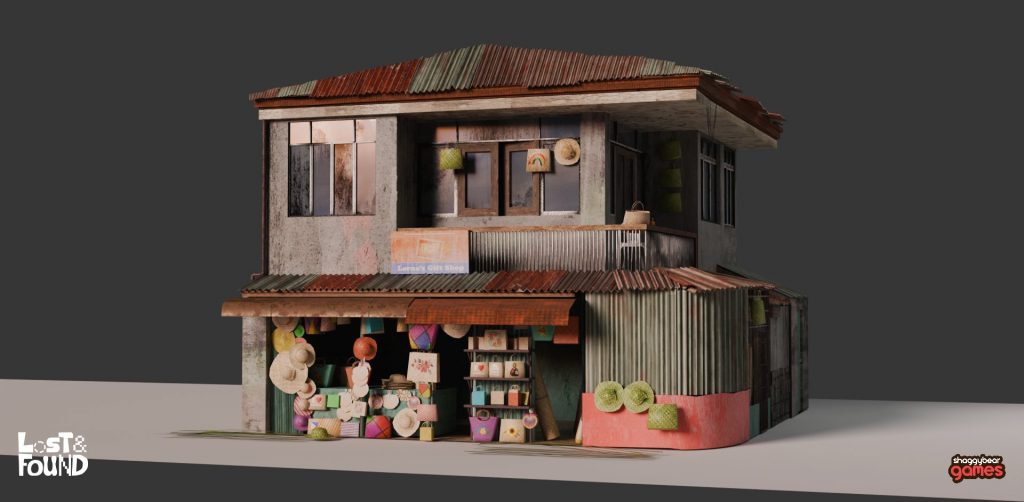
The same goes for the world. The environments take inspiration from places we already know—small towns, local streets, everyday setups. There’s nothing overly stylized or exaggerated. Everything feels like it belongs, like it could exist somewhere you’ve already been.
Development and Closing Thoughts
Working as a solo developer, Kurt handles both the creative and technical side of Lost & Found. The artbook shows how that process comes together, from early concepts to more refined designs.
You can see the iteration clearly. Characters and environments go through small changes until they feel right. It’s not about making something flashy—it’s about making something that feels consistent and grounded.
Right now, the game is in development with a focus on a vertical slice, with plans for a demo later on. From what’s already shown, the direction is clear.
What stands out is how much care is given to small details. The game builds its identity from there—through objects, through spaces, and through the people connected to them.
If you’re someone who enjoys slower, story-driven experiences, this is one to watch closely.
Read more:




70 Comments