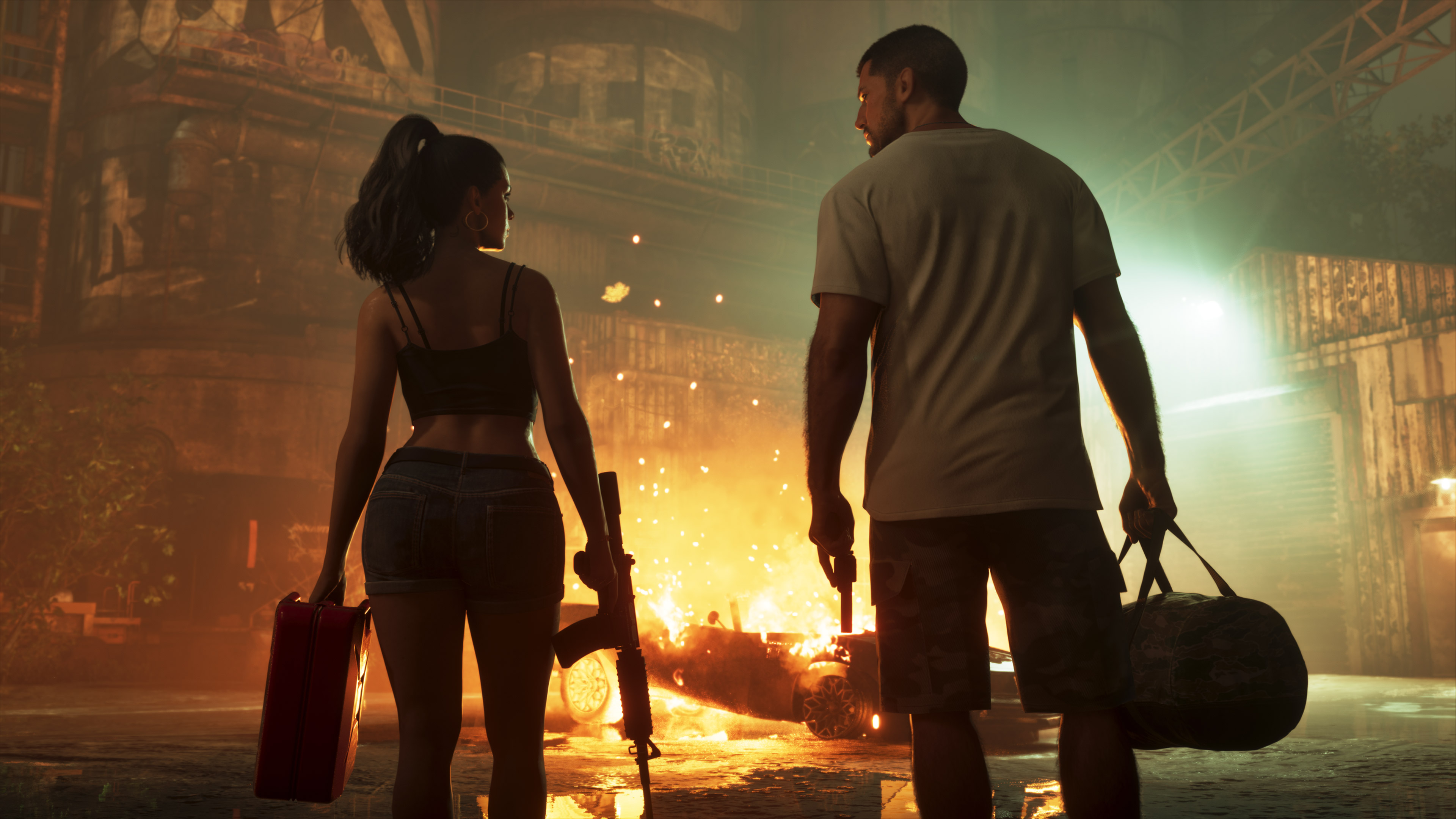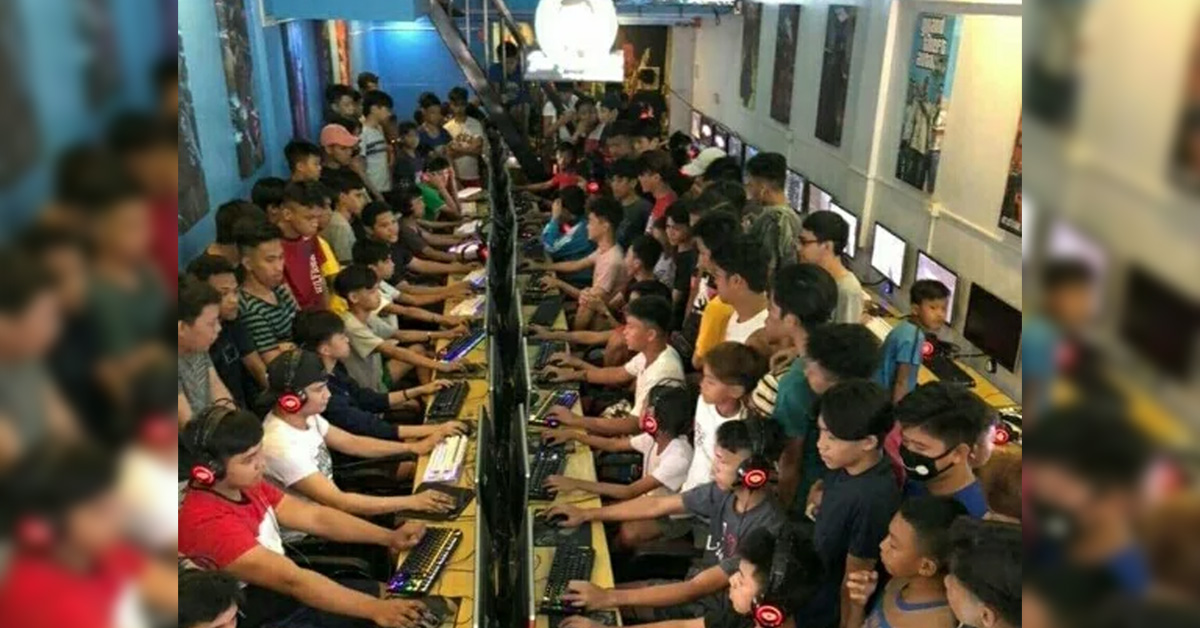
The big chunk of games have a marketing budget, but indie games have dominated the scene e.g Meccha Chameleon. There’s an increase in the accessibility of games to play: games to chill, games to play with friends, games to lock in.
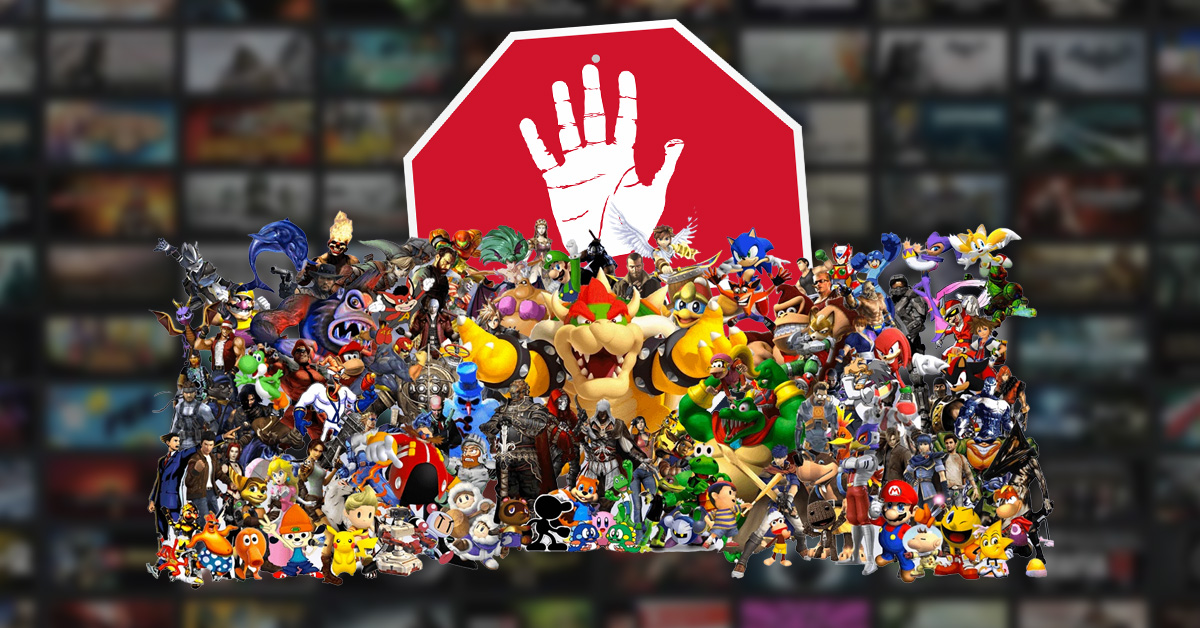
Somewhere along the way, gaming discourse developed an unhealthy obsession with two extremes: a game is either peak or absolute trash. There seems to be increasingly little room for anything in between. A release is either a generational masterpiece deserving of universal praise or an irredeemable disappointment that nobody should bother playing.
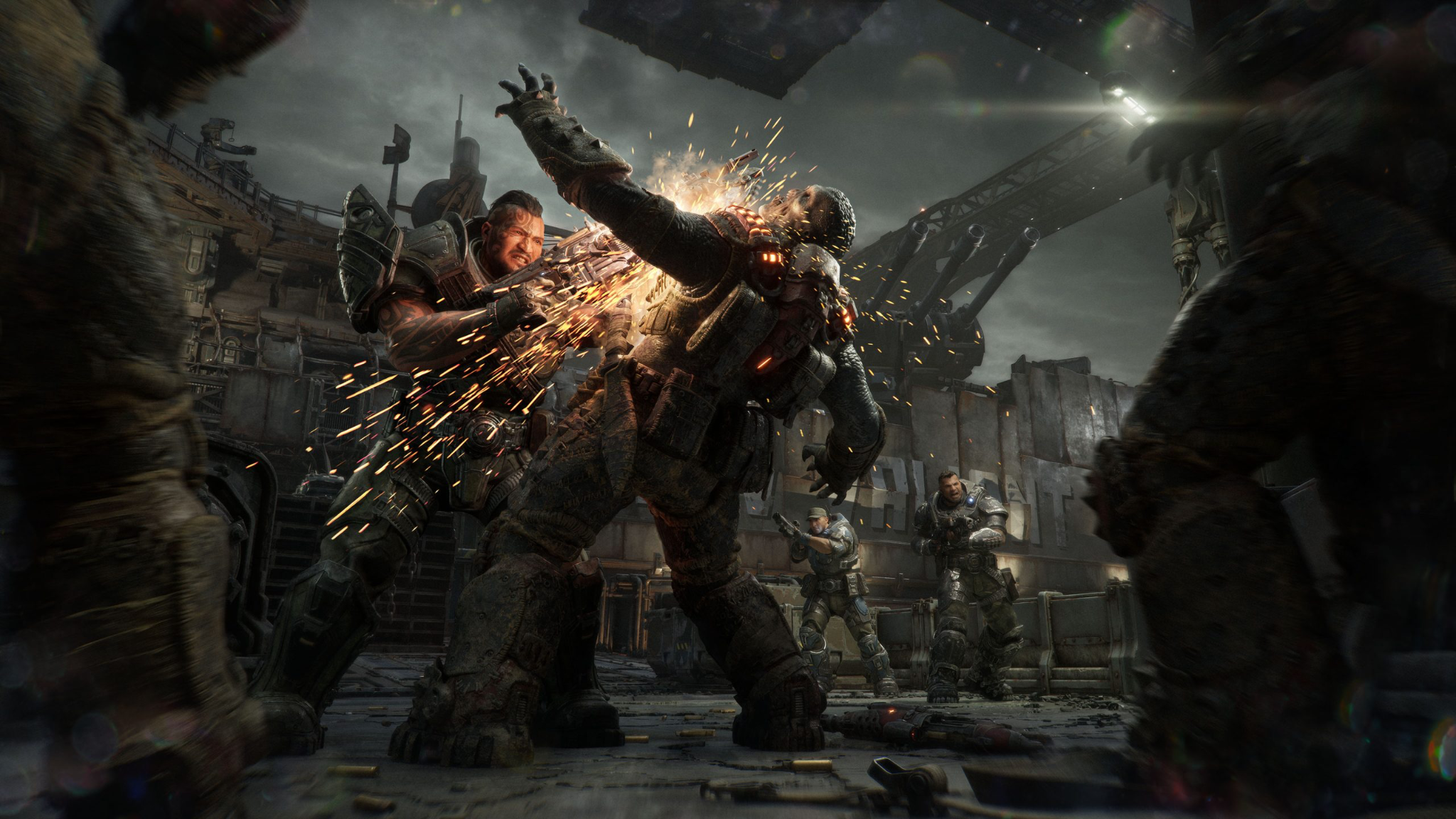
The JRPG Pursuit podcast recently explored this growing divide, discussing how the pressure to achieve "peak" status can affect not only how players perceive games but also how developers approach making them. The conversation raises an interesting point: the industry's fixation on producing universally acclaimed experiences may be slowly squeezing the creativity out of the medium.
Games that score six, seven, or even eight out of ten are often dismissed before players give them a chance. Yet these are precisely the kinds of releases that can offer something different. They might have questionable mechanics, uneven storytelling, or technical shortcomings, but that doesn't automatically make them worthless. Sometimes, a game can be imperfect and still be worth experiencing.
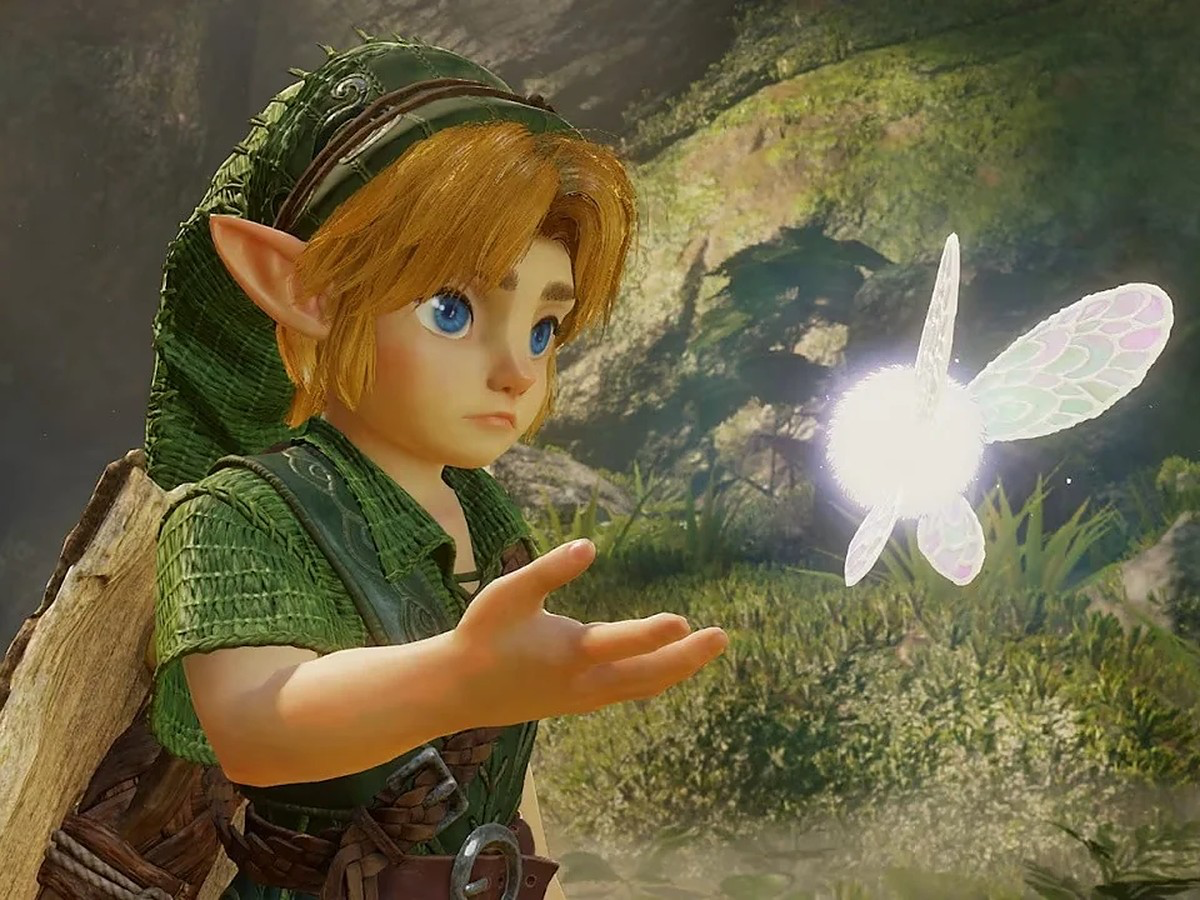
Legend of Zelda: Ocarina of Time Remake
This kind of reaction has consequences beyond individual purchasing decisions. When studios see experimental projects dismissed as failures, the lesson they might take away is to play it safe. Familiar formulas, established franchises, and proven commercial successes become more attractive than taking creative risks. Developers are encouraged to reproduce what audiences already recognize rather than introduce something they didn't know they wanted.
Of course, criticism is necessary. Loving a game doesn't mean it should be immune to scrutiny, and enjoying a franchise shouldn't require defending every decision its developers make. Constructive criticism helps players make informed decisions and gives developers meaningful feedback. Blindly praising everything can be just as damaging as dismissing everything.

The problem is that social media often rewards the loudest opinions rather than the most thoughtful ones. Sensationalism generates engagement, and extreme praise or outrage is easier to package than a nuanced assessment. It's much easier to call something a masterpiece or garbage than to explain that its combat is excellent but its pacing struggles, or that its story is compelling despite its technical issues.
Ultimately, games are art, and our experiences with them are subjective. One person's seven-out-of-ten might be another person's personal masterpiece. Review scores, sales figures, and popular opinion can help inform our decisions, but they shouldn't dictate what we're allowed to enjoy.
Not every game needs to be peak. Some games are simply good. Some are interesting experiments that don't entirely succeed. Others might be exactly what a particular audience has been looking for.
There is value in all of these experiences. If we want an industry that continues to surprise us, we need to leave room for games that don't immediately meet everyone's expectations.