

As someone who studied game development, I know how rigorous of a process game development really is. Developing your game design document, to creating prototypes, it’s a demanding process but an extremely fulfilling one when finished. So when Secret 6 released their live service game, we constantly had it on our radar.
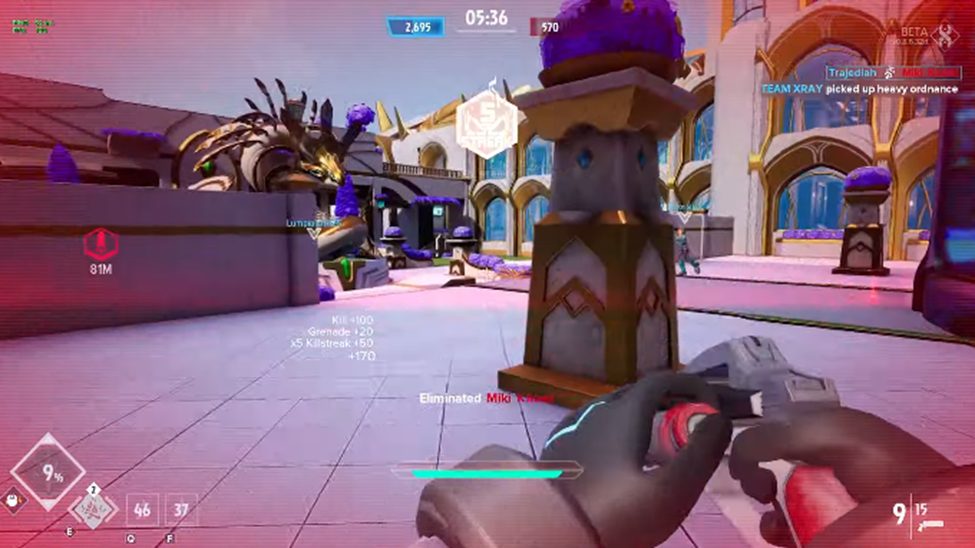
Project Xandata is a fast-paced 3v3 arena FPS where you play as a “Xandat” that is customizable to the player’s playstyle/preference. Project Xandata’s development started around 2015, officially debuting at Electronic Sports and Gaming Summit (ESGS) 2016, and finally releasing its early access on March 22, 2022. Praised for its fast action-packed gameplay, it showed remarkable promise not only for Secret 6, but for game development in the Philippines. A year later on May 31, 2023 Secret 6 decided to sunset Project Xandata. With its long development and to its inevitable EOS, what can indie devs learn from Secret 6’s first endeavour in Game Development?
Hook, Line, Sinker?
Project Xandata made noise during ESGS. The booth stayed packed. Streamers like Sh1n Boo covered the game. Early visibility in the local FPS community gave it momentum. A Filipino-made 3v3 arena FPS was a strong hook. During early access, players enjoyed the deep class customization. The mix-and-match system let players build around their own playstyle.
Matches were not just about raw aim. Strategy mattered. Ability combinations mattered. Unlike traditional hero shooters with locked roles, Xandata allowed flexibility. Players shaped their own archetype instead of being confined to one. Pure aim mechanics but also how players masterly utilize their personalized classes. Unlike hero shooters with defined roles, Xandata’s customization allowed players to play around with their core abilities rather than being locked into an archetype.
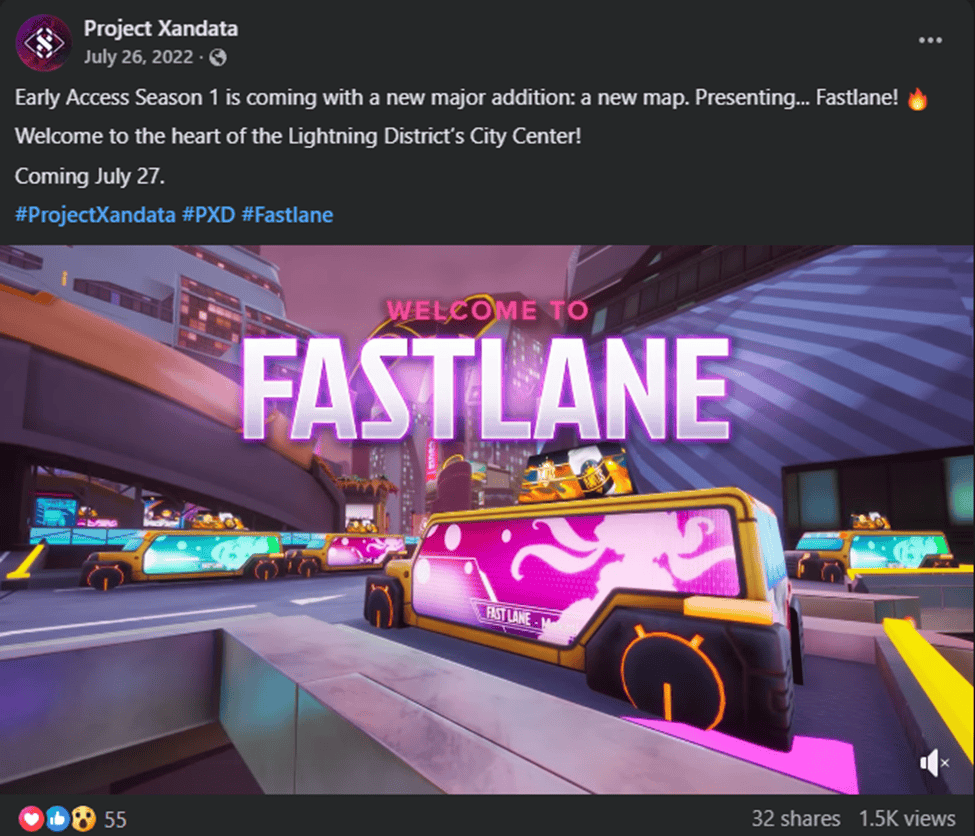
As time went on and the players understood the game more, they started to give more feedback. One was about its graphics and overall visuals. For all its fun gameplay, it lacked the visual oomph players were seeking. Its futuristic setting was good, but it lingered in between standing out with its bits of Filipino theming and falling a bit flat with its execution.
Secret 6’s experience as an art outsourcing company showed through the game. It was detailed and clean, truly a flex of their art prowess… but despite that, it wasn’t enough to fully stand out.
Many of its players noted how the neon colors everywhere and the sameness of areas made it unvaried. Some were hoping that the locations could have shown the players the story and world building of Xandata. Many of them recommended adding more Filipino theming in the maps, to make them distinct from one another.
Shooting their shot (heh) in a genre already full of established hero shooters made it harder for Project Xandata to fully hold their player’s attention, especially without a strong identity.
Related Reads
- How a Mobile Game Got Filipino Gamers Obsessed With Real Racehorses
- Grabe ang 2026: Top 5 New Games We’re Hyped For
What can indie devs learn from this? Indie devs need to make sure that their games are visually distinct, as a stronger visual identity can make it stand out. An exaggerated example of this is: A gamer scrolls through Steam/Itch.io and they discover your game because of how visually appealing/unique your thumbnail is, “Hala this looks cool, ma tingnan nga”, its like call to action, but instead of a written prompt, it’s a visual prompt! Ika nga, you judge a game by its cover.
If you are planning to use common themes like “futuristic” or the likes, make sure to realize it to its maximum potential. Using Project Xandata as an example: Recognizable Filipino architecture weaved with the technology of the future could have made for a stronger branding and a better connection between Xandata’s world-building and its players.
Branch out like a Skill Tree!
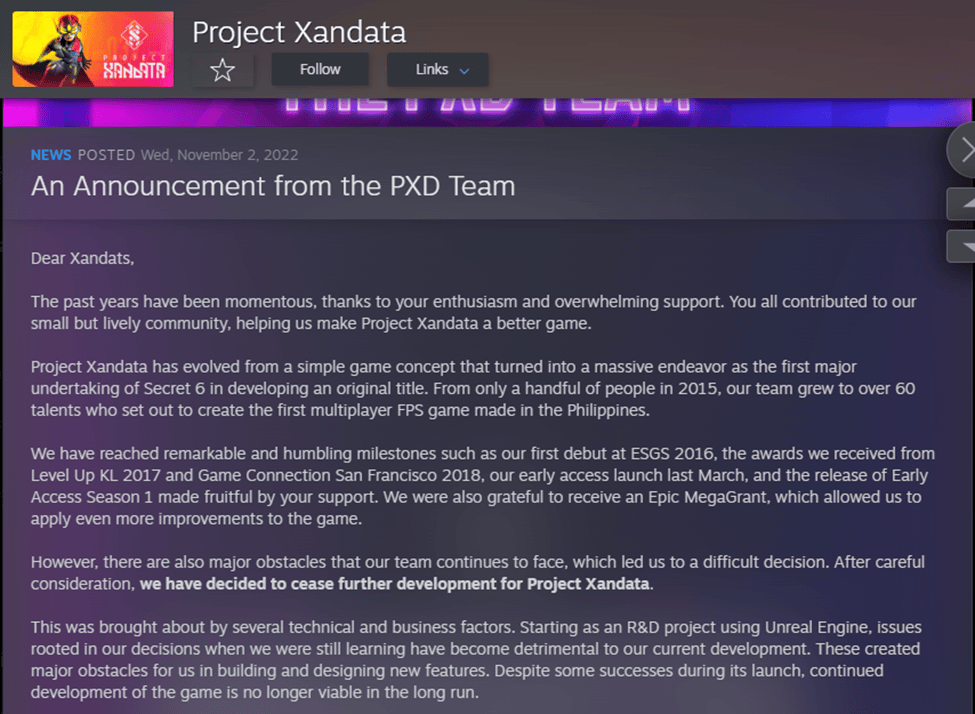
Project Xandata started as an R&D project using Unreal Engine, and because of that it resulted in issues. Technical issues that were made during its early development made it difficult for them to fully fix and design new and existing features. Running the server wasn’t possible long term and business factors also came into play. These issues made Secret 6 cease continuous development, it simply wasn’t feasible anymore.
As stated on their announcement “Starting as an R&D project using Unreal Engine, issues rooted in our decisions when we were still learning have become detrimental to our current development. These created major obstacles for us in building and designing new features. Despite some successes during its launch, continued development of the game is no longer viable in the long run.”
Starting with a live service game as their first game is no easy feat. Having to add new features, balancing, and constantly fixing bugs is no easy feat, especially as their first game. Indie devs can understand through Project Xandata that these types of games are harder to do, and a clear scope and direction should be prioritized above anything else. Laying out a smaller scope makes it easier to know what resources are needed and makes it actually doable for the developers to push through with their projects. Refine your projects through prototypes before committing to something bigger, in this case, server-based multiplayer infrastructure. It’s like a skill tree, experiment first and see what works before fully committing!
Live Service Games are HARD QQ
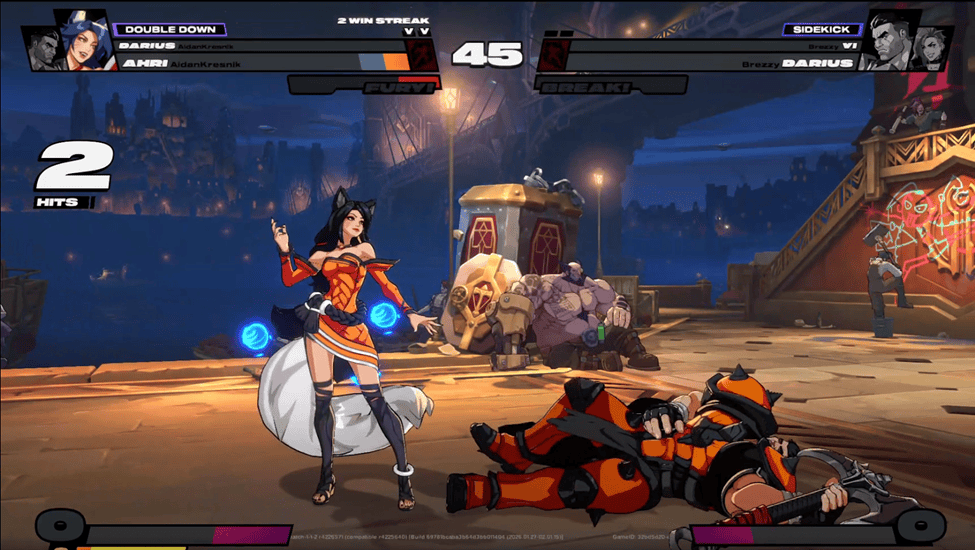
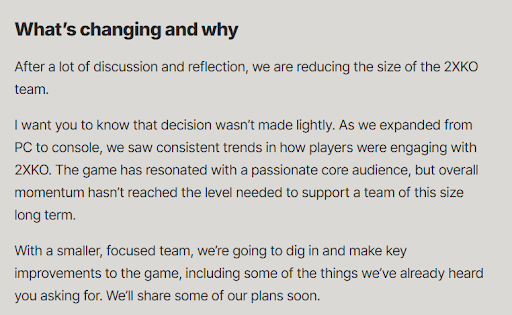
Even successful gaming giants like Riot have a hard time dealing with live service games. An example of this is Riot’s 2XKO: A post was made about the lay offs for some of the 2XKO developers. They believe that the game didn’t meet the momentum that was needed for it to sustain its team size. Despite being somewhat successful, they had to downsize to ensure sustainability for the game.
When Project Xandata released its early access, its player count leave much to be desired. Peaking at only 233 at early access, its sustainability was brought into question. In this gaming economy (economy?!), having a low player count from the start is not a good sign for server sustainability and ongoing development. As the number continued to dwindle down, its promising sunrise turned into a quick sunset. It simply didn’t have the means to keep going.
A Sunset That Showed New Possibilities; A New Hope
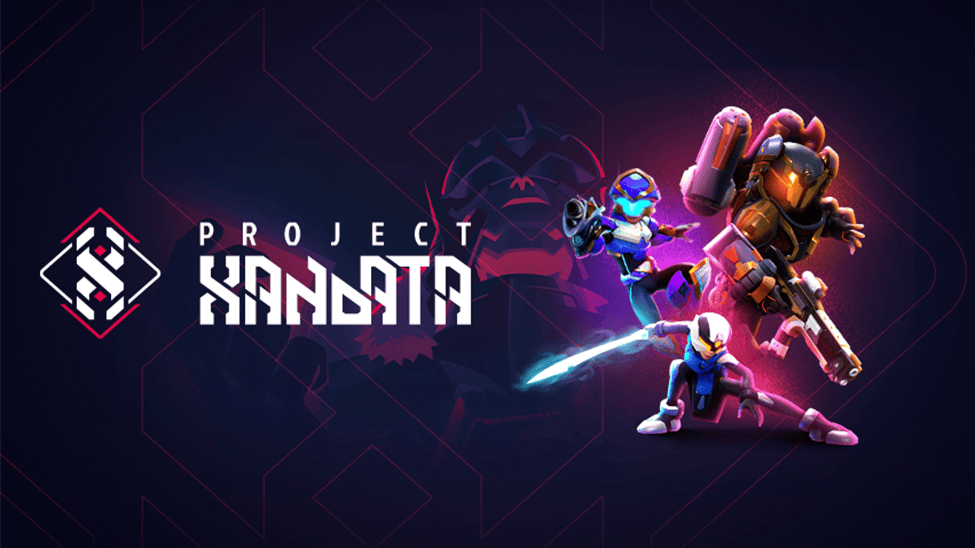
As Project Xandata rides off into the sunset, it will always remain as one of the first Filipino-made games that tackled the game industry head on, not only in the Philippines, but also internationally! Secret 6 showed that there is a place for games cultivated by the Filipinos, igniting the passion that Filipino developers needed to start in their own projects. Cementing themselves as one of the pioneers of game development. Proving that it is INDEED POSSIBLE to be one locally! We are excited to see what they cultivate next for the game development industry!
Related Reads
- How a Mobile Game Got Filipino Gamers Obsessed With Real Racehorses
- Grabe ang 2026: Top 5 New Games We’re Hyped For
