


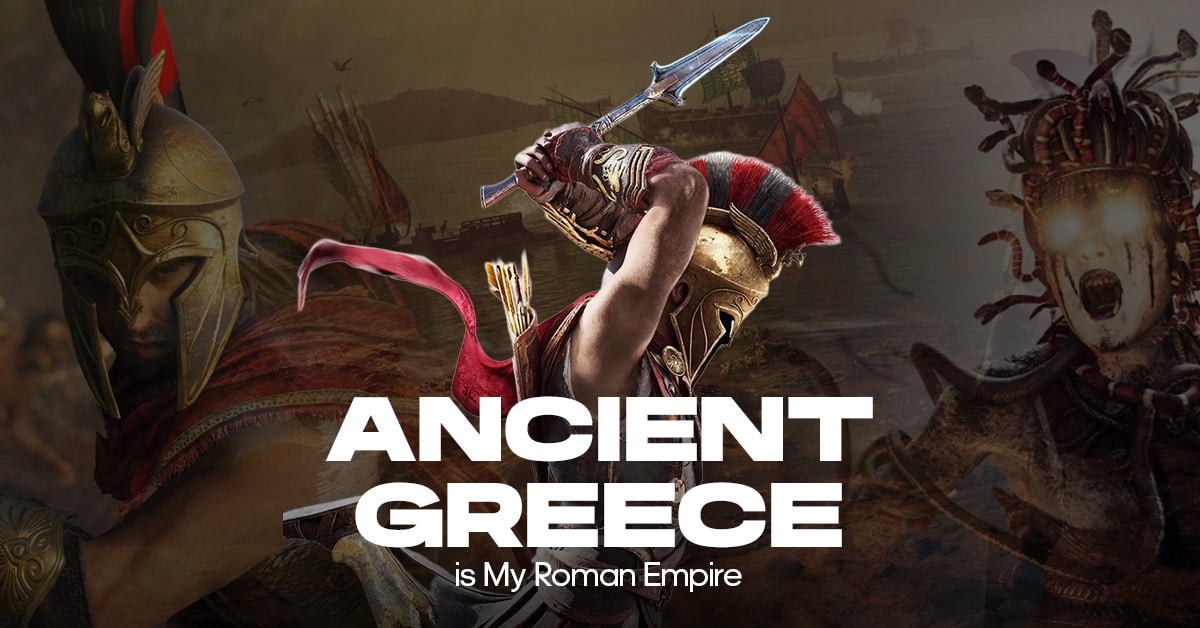
What’s your Roman Empire? Anyone who missed the trend should know this. It’s the joke about people—usually guys—admitting they think about the Roman Empire. They think about it at least once a day.
Mine is Ancient Greece.
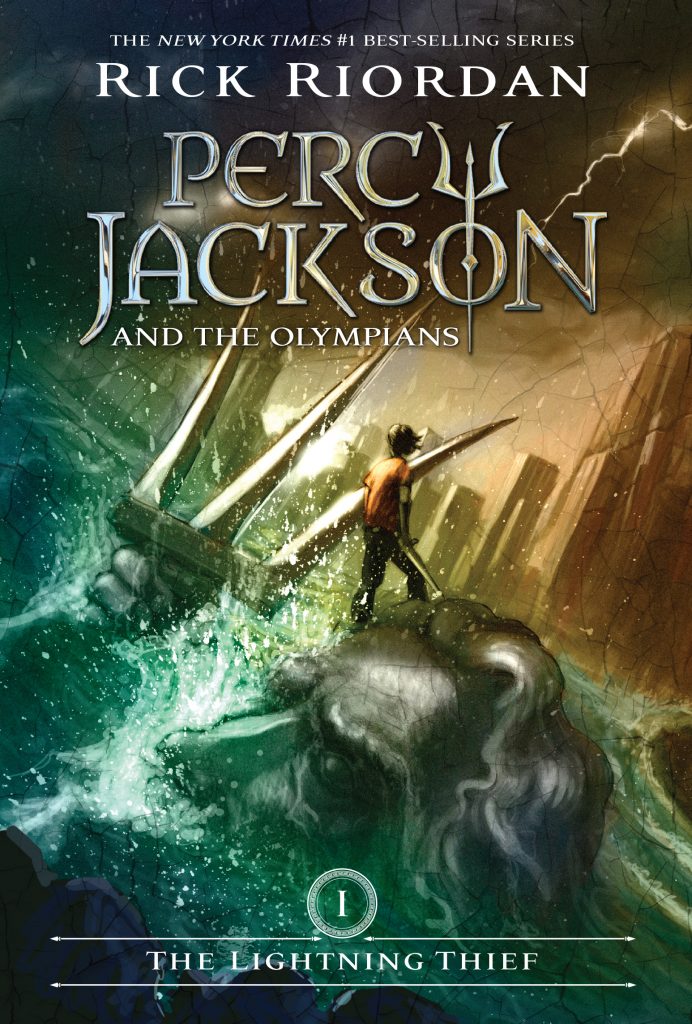

I’ve read the Percy Jackson books more times than I should admit. My friends and I used to recreate Achilles’ sword fight with Hector from Troy using brooms. I’d fall asleep listening to Overly Sarcastic Productions explain Greek gods. Disney’s Hercules probably started the whole thing. But gaming is where the obsession really stuck.
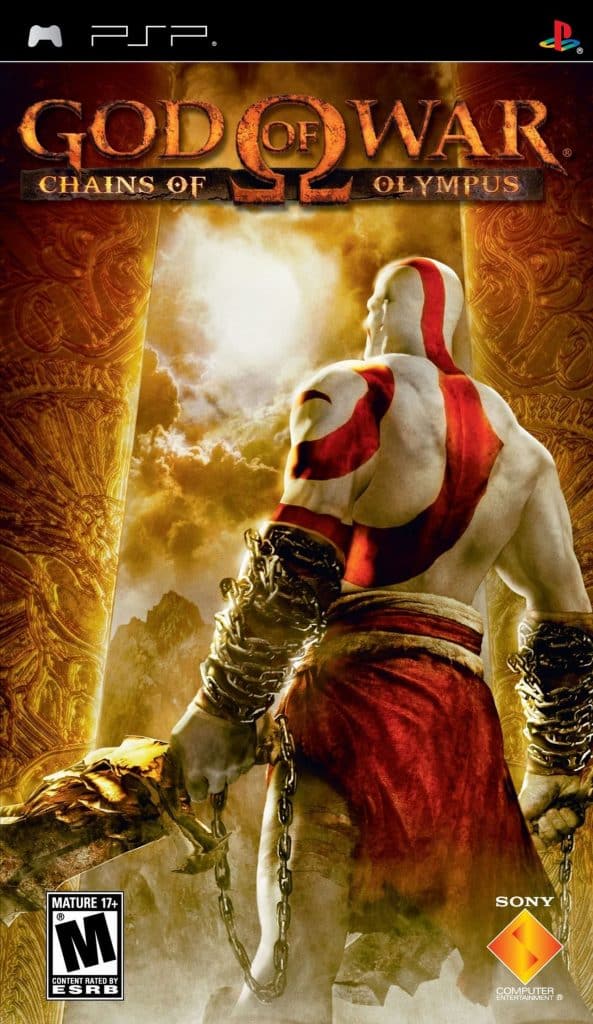
Growing up, I didn’t have a console. Consequently, I spent a lot of time watching friends play God of War on the PS2. Seeing Kratos tear through Greek mythology with those chained blades hit completely differently from watching Hercules reruns. Eventually, I got to play Chains of Olympus on the PSP. Then I played Titan Quest with friends at a local computer shop. I wasn’t just watching these stories anymore. I was running through them.

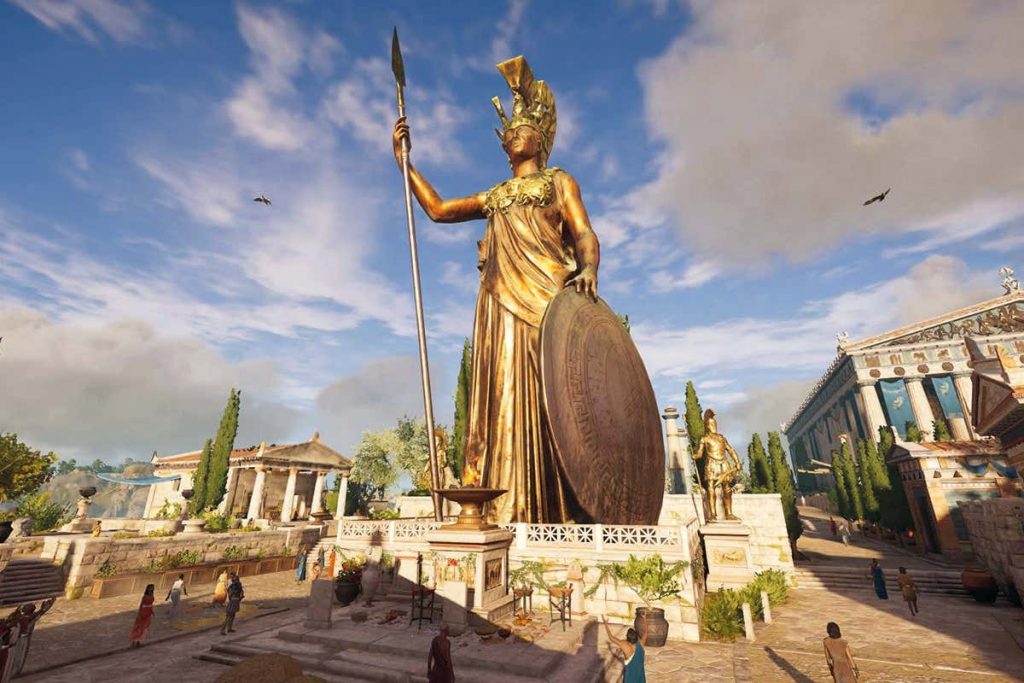
Years later, I finally had a PC good enough to play Assassin’s Creed Odyssey, and I basically disappeared into it. I would finish a quest, then spend another hour wandering around the Greek islands doing absolutely nothing productive. I replayed it several times, chasing different endings and revisiting places I had already seen. Apparently one lifetime in Ancient Greece wasn’t enough.
That’s what games give me that other versions of Greek mythology can’t. Books and films can show me Ancient Greece, but games let me inhabit it. Walking through Athens creates a sense of being there. Climbing the Acropolis adds to it. Stumbling across a forgotten ruin makes you feel you are visiting somewhere, not just learning about it.

Then came Immortals Fenyx Rising and Hades, two games that took the same mythology in completely different directions. Fenyx Rising leaned into the absurdity of the myths, with gods bickering like siblings and monsters that could be terrifying one minute and ridiculous the next. Hades compressed that enormous mythology into the Underworld and turned every death into another excuse to learn something about its characters.
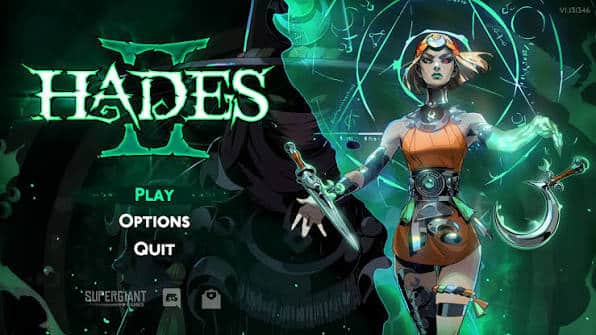
Hades II pushed that idea even further. Playing as Melinoë, the Princess of the Underworld, you fight your way through a mythological world while slowly piecing together another family disaster involving the gods. It eventually launched its full version in September 2025, proving that Greek mythology still has plenty of room to evolve in games.

And then there’s God of War. When I finally played the original trilogy from start to finish as an adult, I understood why it stuck with me. As a kid, I just wanted to watch Kratos rip something apart. Older me could see the tragedy underneath the violence: a man drowning in guilt and rage, turning his hatred of the gods into a reason to keep moving.
Maybe that’s why Ancient Greece keeps pulling me back.
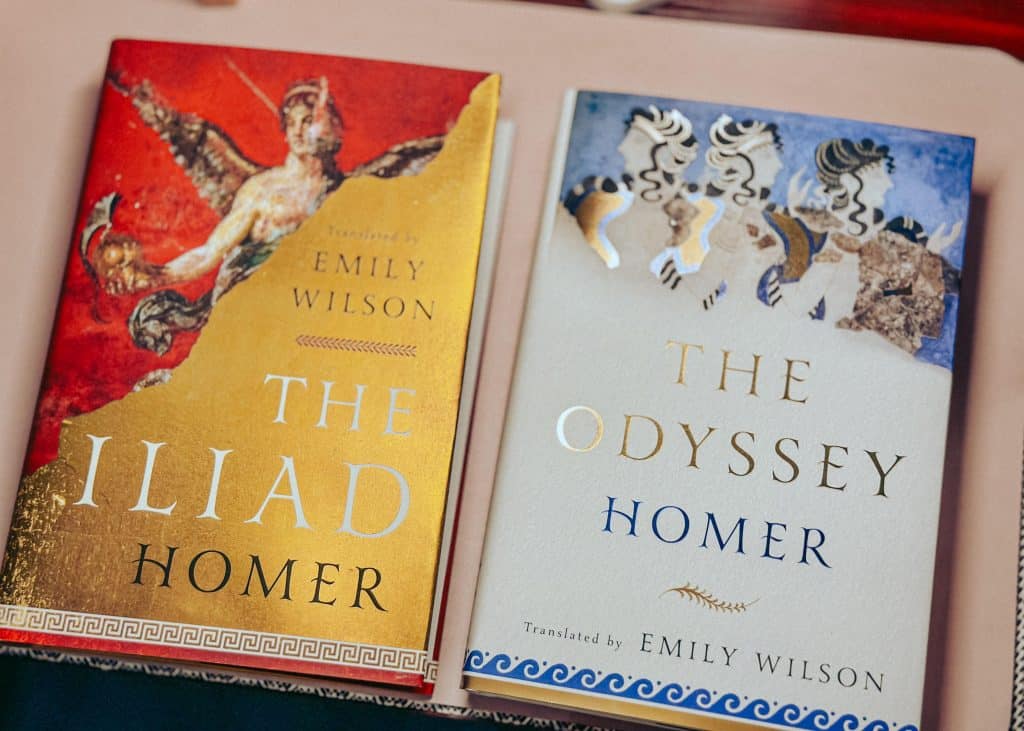
The mythology is full of people making spectacularly terrible decisions. Achilles spends the Iliad consumed by rage and grief; the gods interfere in human conflicts while behaving just as petty as the mortals beneath them. The story takes place during the tenth year of the Trojan War, and Achilles’ confrontation with Hector ultimately becomes a story about rage, loss and what happens when that rage finally runs out.

There’s something weirdly familiar about that messiness. Ancient Greece gives us heroes who are deeply flawed, gods who are absolutely terrible at being gods, and stories where enormous historical consequences can come from painfully human problems.
And the influence never really disappeared. You can see classical architecture all over the Philippines, particularly in old government buildings. The National Museum of Fine Arts, for example, uses monumental Corinthian columns and other classical elements to project grandeur and authority. Philippine provincial capitols were similarly influenced by Greek and neoclassical styles during the American colonial period.
That’s probably why these games feel different to me. Ancient Greece doesn’t feel like a completely foreign fantasy world. Its stories, aesthetics and ideas have been recycled for centuries until they became part of the world we already live in.
So I keep coming back. Book after book, video essay after video essay, game after game.
Maybe that’s what my Roman Empire really is: a place that disappeared thousands of years ago, yet somehow never completely left.
Read More PGDX 2026 Content Here:
- PGDX 2026 Launches Official Steam Curator Sale
- PGDX 2026 Celebrates Cosplay Community
- Experience the Best of Gaming at PGDX 2026
- PGDX Launches HATCH for Filipino Game Developers
Read More Think Pieces Here: