
I used to hate Early Access. Back then, when you bought a game, that was it. You popped in the disc, installed it, and played. No day-one patches. No roadmap. No waiting for features that didn’t exist yet. Then Lethal Company and Phasmophobia happened. Suddenly, Early Access wasn’t just unfinished games—it was late-night voice chats, chaotic moments with friends, and communities growing alongside the game.
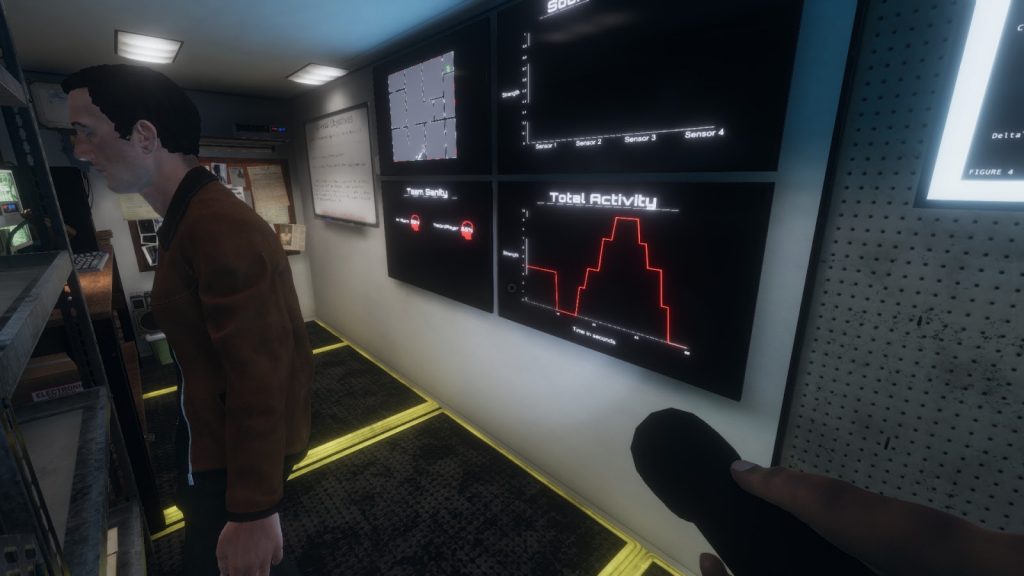 Phasmophobia Early Access (early version) via Geek to Geek Media
But what are we actually buying?
Early Access is really selling three things: an unfinished game, continued development after you’ve already paid, and the chance to influence that development through feedback. Even Valve tells players not to buy a game based on promised future features. Buy it for what exists today, not for what it might become.
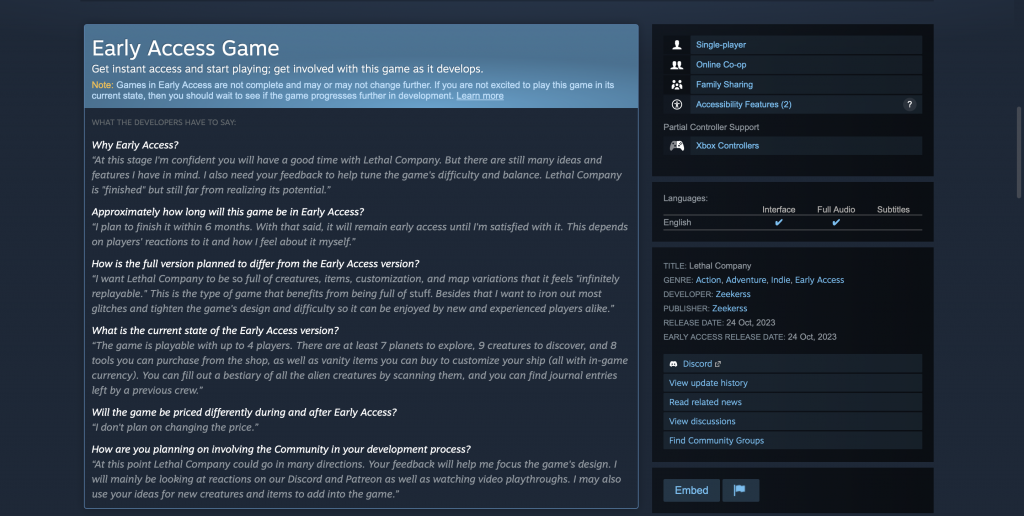 Lethal Company Steam Early Access disclosure via Steam
That’s an important distinction because it changes the question entirely. If we’re only supposed to judge what’s available now, what does “finished” even mean anymore?
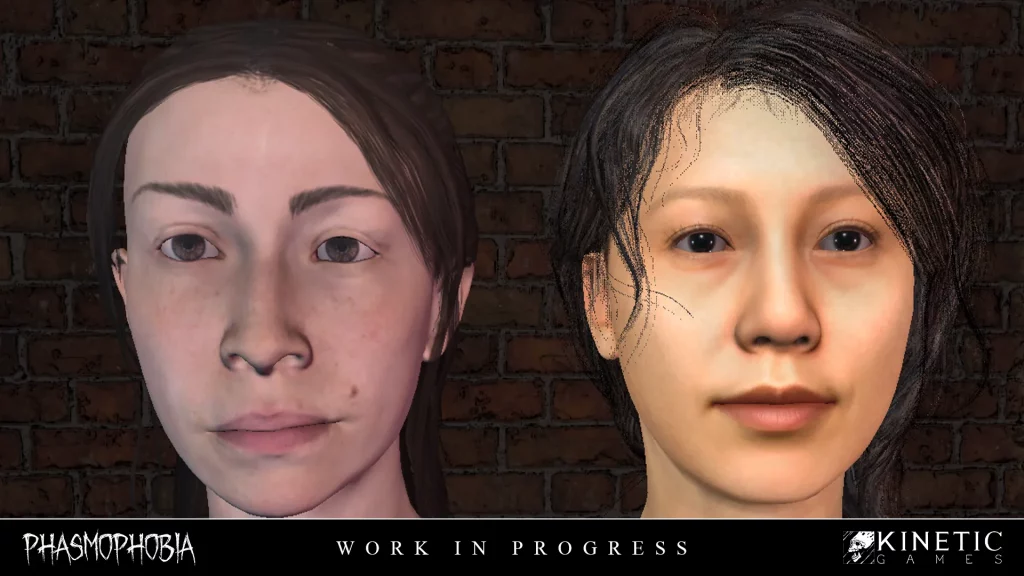 Phasmophobia first character update via Kinetic Games
Take Phasmophobia. It’s been in Early Access for six years and is only now approaching version 1.0. Yet players are already criticizing its upcoming Player Character Update, despite years of successful updates and a healthy community. At that point, does the “full release” even matter, or are we simply following a game that’s constantly evolving?
The data backs this up. GameDiscoverCo tracked 225 Early Access games that reached version 1.0 in 2025. Only about 20% performed noticeably better after launch. More often than not, version 1.0 wasn’t a grand finale—it was simply another update.
Of course, there are success stories. Baldur’s Gate 3 spent three years in Early Access before becoming Game of the Year. But Larian Studios had the funding, time, and resources to make that work. Smaller studios don’t always have that luxury.
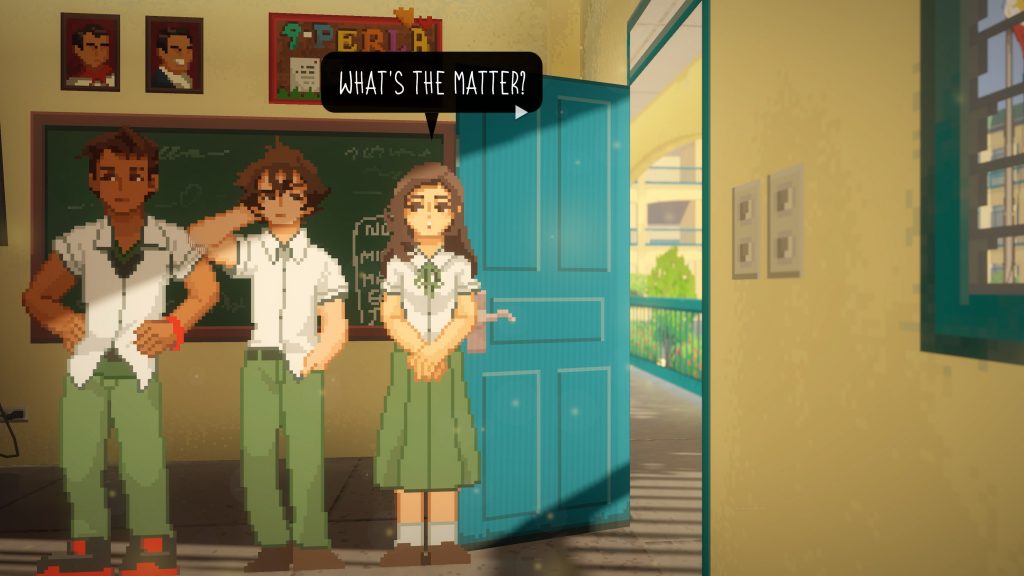
The Philippines offers two very different examples. Fallen Tear: The Ascension invited players into development through Kickstarter before launching in Steam Early Access, turning community feedback into part of the game’s design. Meanwhile, Until Then skipped Early Access entirely and launched as a complete experience, proving that success doesn’t require an unfinished release.
 Baldur’s Gate 3 winning Game of the Year after early access via GameLeap
So maybe we’ve been asking the wrong question. The debate isn’t whether Early Access is good or bad. It’s whether developers are treating players fairly while the game is still being built. Is the game already enjoyable? Is development transparent? Is the price fair? Is the team actively communicating with its community?
If the answer is yes, Early Access can be one of the best things to happen to indie games. If not, “community collaboration” becomes just another way of saying paid beta. We’re still playing. Just read the fine print before you check out.
Read More:
- Experience the Best of Gaming at PGDX 2026
- PGDX Launches HATCH for Filipino Game Developers
- Accessed Too Early: Why Do We Buy Games That Aren’t Even Finished?


2 Comments