

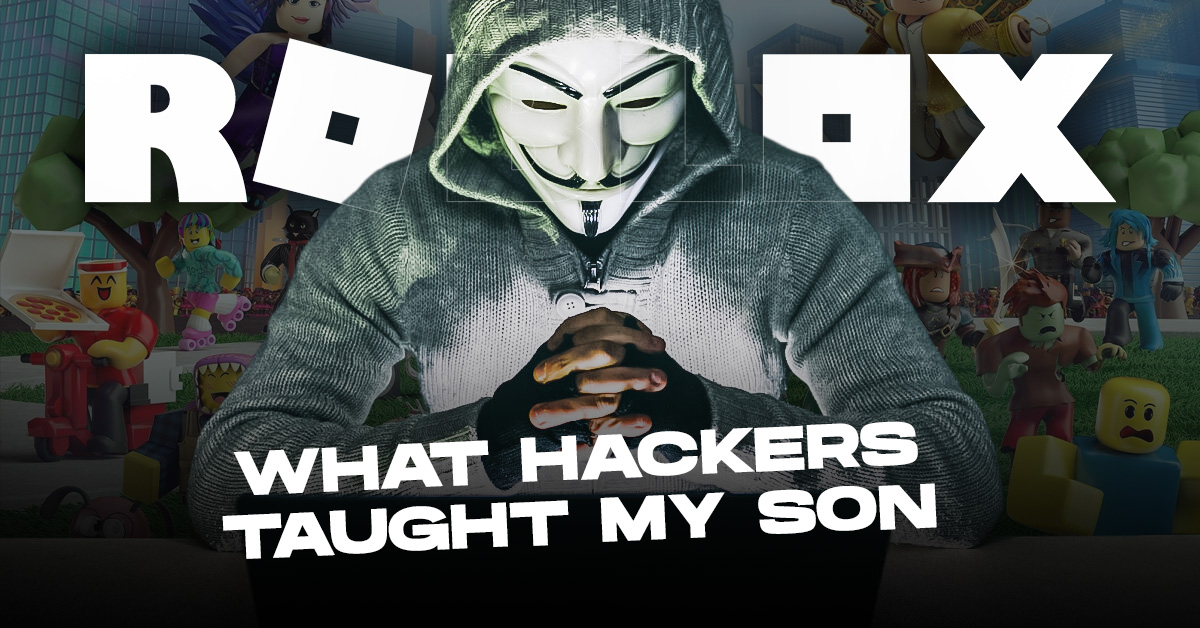

Up, up, down, down, left, right, B, A, select, start.
Just like that, thirty extra lives.
That was hacking when I was a kid.
The famous Konami code for Contra. A secret whispered in classrooms. A lifeline passed between friends. In a game that felt impossible, it meant survival. More chances. More time. Maybe finally finishing something that felt designed to break you.
Watch the video:
The Untold Story of 6 Women Who Changed Gaming Forever
Some kids even claimed they knew how to get a hundred lives. I never figured that one out.
Back then, a “hack” felt harmless. It felt clever. It felt like beating the system in a way the system secretly allowed.
That was the only cheat code I ever knew.
Fast forward to now.
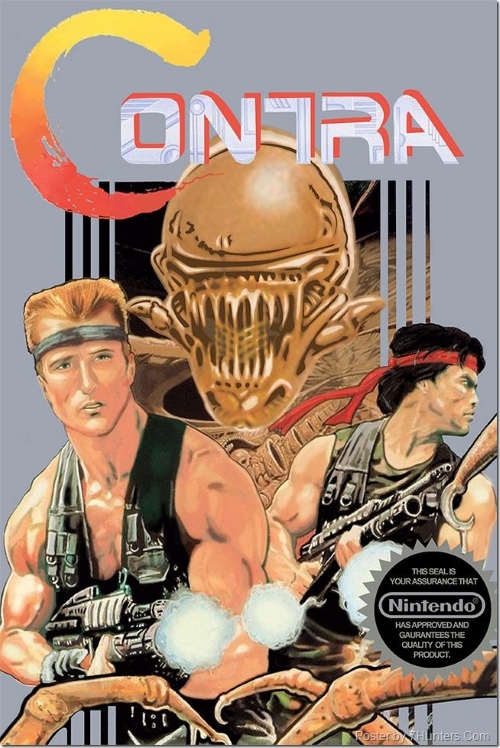
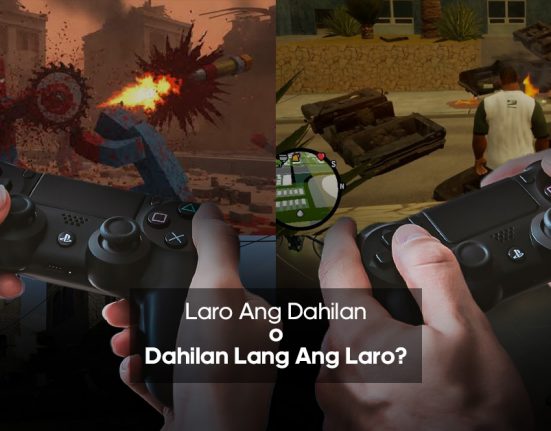
My son is eight years old. His favorite game is Rivals on Roblox, a fast paced free for all shooter where reflexes matter and winning streaks feel like trophies.
One afternoon, he came to me in tears.
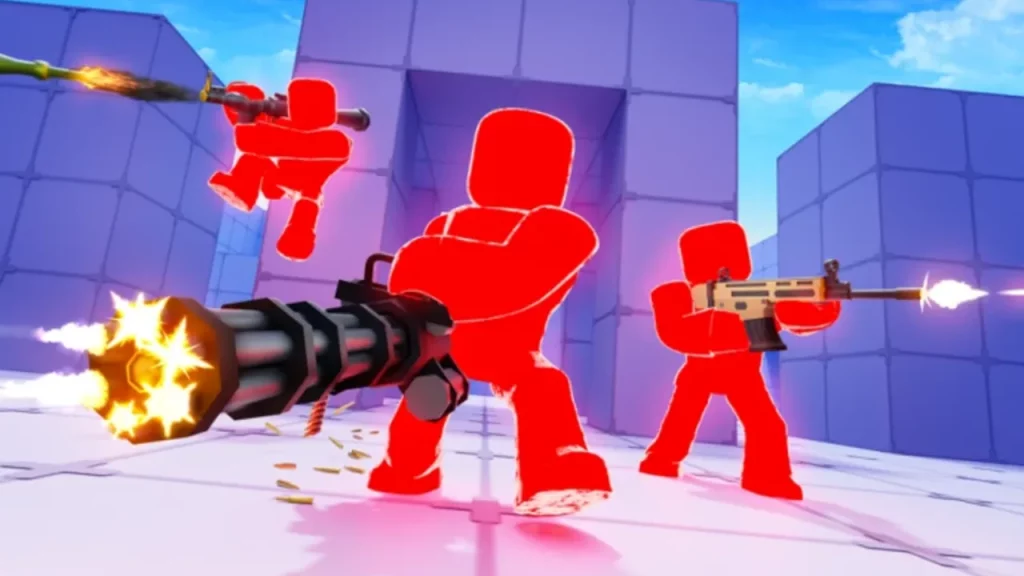
He had been on a roll. Sniper headshots left and right. Movement clean. Confidence high. Then, in two separate matches, it happened.
First, a player spamming shotgun blasts at impossible speed.
Second, someone flying across the map with a grenade launcher, raining explosions from above like gravity did not apply to him.
Both were clearly hacking.
My son rage quit.
Later, calmer, he explained what happened. And underneath the frustration was something deeper.
Confusion.
“Why would someone do that?” he asked.
“It’s just supposed to be fun.”
At eight years old, inside a digital space meant for play, he experienced something raw. Injustice. Cheating. Unfairness. The feeling that someone wanted to win so badly they were willing to ruin the game for everyone else.
I tried to explain gently. With recent flood control corruption scandals in the back of my mind, I told him that sometimes people want shortcuts. Sometimes they want a leg up, even if it means stepping on others. Sometimes they care more about winning than playing fair.

He listened. Quiet.
A few hours later, he came back to me.
“I reported them,” he said.
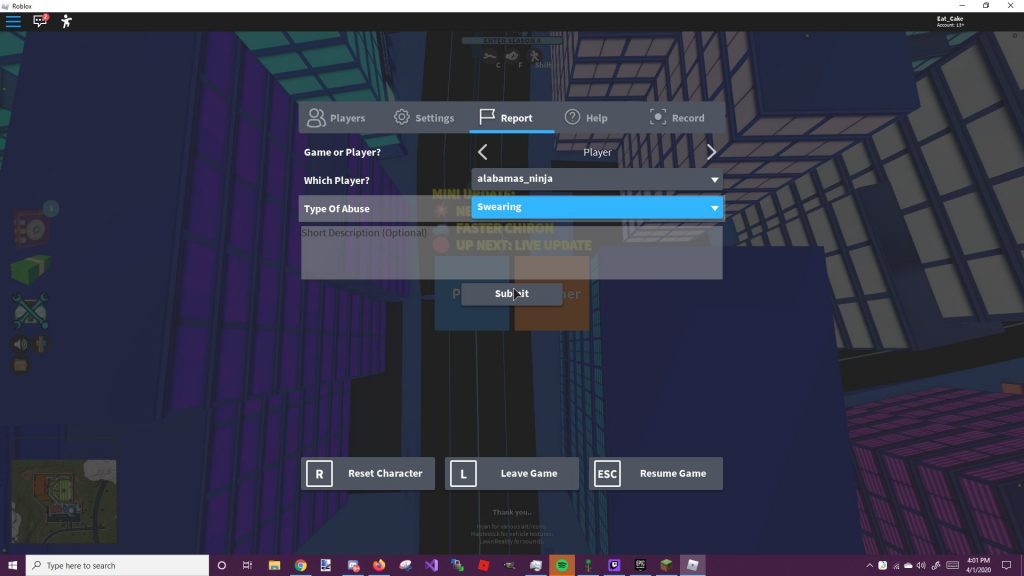
He walked me through the process. Click the player name. Open the menu. File the complaint. Choose the reason. Submit. Then wait.
Wait patiently.
That was the part that struck me.
If it were me at his age, or even now, I might have shrugged and moved on. Let it slide. The same way someone cuts in line. The same way you endure red tape. The same way people look for a fixer to speed things up.
But he did not.
He chose the boring route. The proper route. The paperwork route. No drama. No revenge. No cheating back.
Just procedure.
And patience.
Watching him, I realized this was not just about a hacked match in Rivals. It was about character.
In a country where shortcuts are common, where systems feel slow, where fairness sometimes feels optional, my eight year old chose the unglamorous path of filing a complaint and trusting the process.
He did not want to win at any cost.
He wanted the game to be fair.
Maybe the real value was not in the frustration he felt, but in how he responded to it.
If he carries that instinct into the real world, if he chooses process over shortcuts, integrity over advantage, fairness over easy wins, then maybe those hackers unintentionally taught him something powerful.
Not how to cheat.
But how not to.
And maybe that lesson is worth more than thirty extra lives.
Read more: Legend of YMIR Launches Manila Server in the Philippines





53 Comments